

Key Highlights
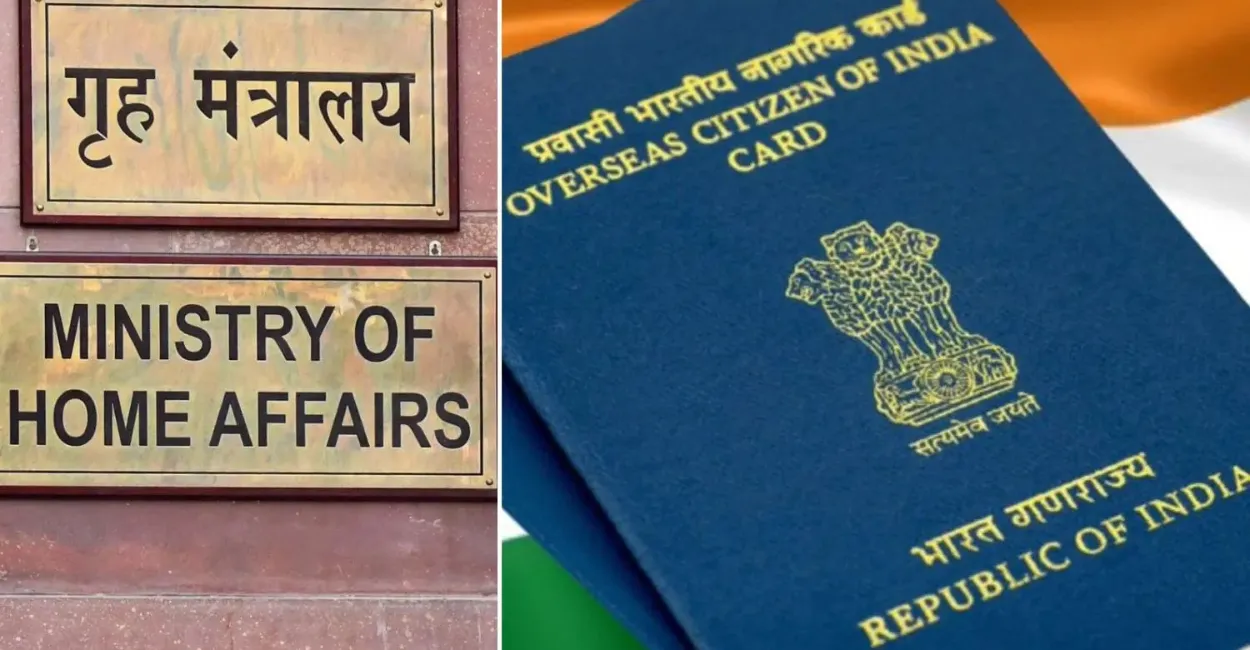
The Citizenship (Amendment) Rules, 2026 are now in force after the Ministry of Home Affairs notified them on 30 April 2026. The update changes how OCI cardholders apply, renew, renounce, and respond to orders under the citizenship system.
The biggest shift is digital. OCI services now move to a fully online format, with e-OCI support, electronic records, and a stronger review process for applicants. The rules also tighten the position of minors who hold Indian passports, while adding a more formal appeal route for those affected by OCI decisions.
Why the Rules Matter?
The Citizenship (Amendment) Rules, 2026 update the Citizenship Rules, 2009 and reshape the OCI framework in a practical way. OCI cardholders already enjoy long-term visa access and several benefits, so any change to the process affects a large global Indian diaspora.
The new rules are aimed at cutting paperwork and moving the system toward digital processing. At the same time, they add tighter checks on minors, document updates, renunciation, and cancellation.
Also Read: Top Jobs in Singapore for Indians: New Pay, Scope & More
OCI Process Goes Online
A major headline in the Citizenship (Amendment) Rules, 2026, is the move to fully online OCI applications. Applicants will use the official portal, and the old duplicate-paper approach has been removed. This shift covers key steps such as registration, renunciation, and cancellation. Several reports also note the move to electronic registers and e-OCI cards, which should make the process more uniform and easier to track.
|
Area |
Earlier Approach |
2026 Update |
|
Application filing |
Mixed paper and online steps |
Fully online filing through the OCI portal |
|
Card format |
Physical card only in most cases |
e-OCI option added |
|
Records |
Manual or mixed records |
Electronic registers and digital records |
|
Renunciation |
Paper-heavy workflow |
Digital renunciation and online submission |
Rules for Minors
The most discussed compliance change is the restriction on minors holding dual passports. Under the new rule, a minor cannot hold an Indian passport while also holding a foreign passport at the same time.
This matters for families born abroad or split between countries. Earlier rules already required parents to make declarations for children born outside India in some cases, but the 2026 version is clearer and stricter. The aim is to remove confusion and keep the citizenship record clean.
Also Read: Singapore Job Vacancy: Latest Pay, Roles, Scope & More
Review and Consent Changes
The Citizenship (Amendment) Rules, 2026, also strengthen the review system for OCI and citizenship orders. If an application is rejected or a decision is challenged, the appeal now goes to a higher authority, and the affected person gets a chance to be heard.
Another notable update is biometric consent for the Fast Track Immigration Programme. That means applicants may allow biometric data use for faster immigration processing at airports, including e-gate style support where available.
Key Legal Changes
The updated framework touches several parts of OCI administration. It uses new forms, digital records, and revised procedures under the Citizenship Act, 1955. Reports also point to changes in renunciation, cancellation, revision, and review orders, with electronic handling becoming the norm.
-
30 April 2026: Rules notified by the Ministry of Home Affairs.
-
30 April 2026: Provisions came into effect.
-
From Notification Date: OCI applications and related services move online.
-
After Rollout: Appeals and reviews use the new higher-authority route.
Also Read: ACCA Jobs in Singapore: Latest Pay, Tips, Scope & More
What Does This Mean?
For applicants, the biggest benefit is speed and fewer repeated visits. For the government, the shift should improve tracking and reduce document handling. For families with children, the new minor passport rule means more care is needed while managing travel and citizenship records.
The Citizenship (Amendment) Rules, 2026, also signal a more digital and supervised OCI system. That is good news for users who want a smoother process, but it also means that missing details or delayed updates can now have clearer consequences.
Conclusion
The Citizenship (Amendment) Rules, 2026 mark a clear shift toward a faster, fully digital OCI system, while also tightening rules for minors and improving the review process for applicants. For OCI cardholders and Indian-origin families abroad, the changes mean less paperwork, more online processing, and stricter compliance from 30 April 2026 onward. The Government of India has notified the Citizenship (Amendment) Rules. To know more about the citizenship amendment rules, visit TerraTern now!