


Key Highlights
- Why Canada Introduced This Immigration Relief
- Key Highlights of the New Policy
- Who Is Eligible for These Measures?
- Step-by-Step Application Process
- What Types of Disasters Are Covered?
- Impact on International Students and Workers
- Why This Policy Matters Globally
- Challenges and Considerations
- Future Outlook
- Conclusion
Canada has created an immigration relief policy that targets temporary residents impacted by natural disasters in the country. With climate change making extreme weather conditions more common, the government is taking special steps to help foreign students, workers, and tourists stay safe during disasters without being disadvantaged in terms of their immigration status.
Why Canada Introduced This Immigration Relief?
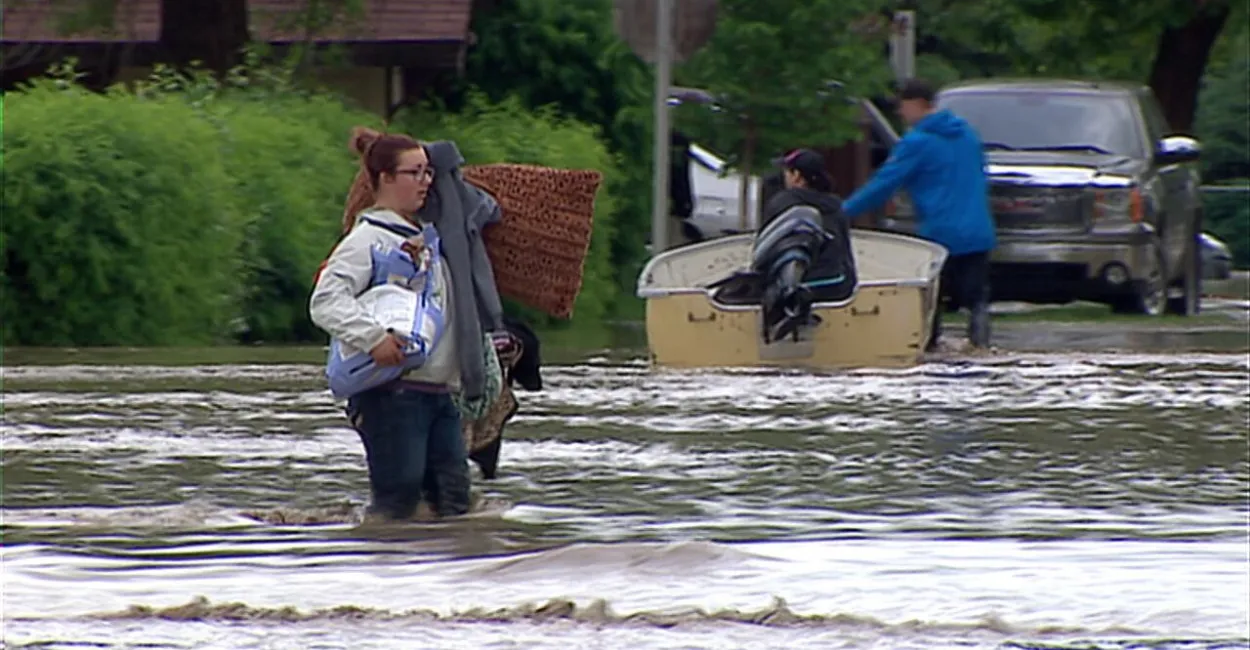
Over the past few decades, Canada has experienced increased natural disasters ranging from fires, floods, hurricanes, and storms. The occurrence of such disasters can be detrimental not only to physical structures and infrastructure but also to people's lives, especially temporary immigrants who rely on immigration status to pursue education and employment.
As a result, Canada's government decided to implement special immigration measures starting April 1, 2026, and ending November 30, 2028, for disaster victims.
Such policies would enable victims to focus on survival without worrying about immigration-related concerns.
Also Read: A Comprehensive Guide to Express Entry Canada
Key Highlights of the New Policy
Among the significant advantages that the new measures will offer to those affected include:
1. Extended Time to Restore Status
While normally, temporary residents have 90 days to renew their status after expiration, according to the new legislation, their period is extended to six months from the day of being affected by a natural disaster.
2. Ability to Extend or Renew Permits
Those who hold temporary resident status can:
-
Apply for an extension of their period of stay in the country
-
Renew study or work permits
-
Apply for the replacement of lost or damaged documents
In this way, temporary residents have opportunities to maintain continuity in their education and occupation.
3. Maintained Status During Processing
Individuals applying for an extension prior to the expiry of their permit continue having permission to:
-
Work
-
Study
throughout the processing of their application.
4. Support for Emergency Workers
Measures introduced by Canada to help foreign workers in case of disasters include:
-
Exemption from submitting fees for applications
-
No requirement to pay fees for providing biometrics
The mentioned relief measures help Canadian authorities attract and process applications of foreign emergency responders faster.
Who Is Eligible for These Measures?
In order to receive immigration assistance, certain conditions need to be met:
-
Must have had a valid temporary resident status (student, worker, or visitor)
-
Must have suffered a natural disaster directly in Canada
-
The natural disaster must have happened from April 1, 2026, until November 30, 2028
-
An individual is directly affected if he/she/they experienced:
-
Displacement or evacuation
-
Damage to property or livelihood
-
Disruption to essential services
-
Loss of documentation or loss of access to resources
Also Read: Top Jobs in Brampton Canada: Latest Experts Guide
Step-by-Step Application Process
For temporary residents requiring relief, there is a stepwise procedure to apply:
1. Submit Application
Complete the online form (recommended) or paper application form according to your category (visitor, student, worker).
2. Include an Attestation Letter
The applicant needs to submit a statement explaining in writing:
-
Date when the natural disaster occurred
-
Effects of the disaster
-
Code: “NaturalDisaster2026” should also be included.
3. Provide Proof of Residence
Required supporting documentation can be:
-
Government-issued ID
-
Utility bills
-
Rental agreements or hotel bills
4. Submit Additional Documents
Depending on the category:
-
Worker: Information about the employer and confirmation that the workplace is affected
-
Student: Confirmation that the educational institution is closed
5. Request Urgent Processing (If Needed)
Individuals requiring urgent processing can submit a web form stating their situation.
What Types of Disasters Are Covered?
Policy covers numerous disasters, including:
-
Fire
-
Flood
-
Tsunami
-
Weather conditions
-
Earthquakes
These disasters should considerably affect communities in order to meet the criteria of the policy.
Impact on International Students and Workers
This policy will be of great benefit to:
International Students
These will be affected by:
-
Campus closure
-
Homelessness
-
Loss of financial stability
An extended period of recovery allows them to continue their education without any trouble with immigration.
Temporary Foreign Workers
These are workers who are faced with job closure or have been displaced from their jobs and:
- They remain employed
- No penalty for extension of work permit
Visitors
Even travellers facing similar challenges are able to apply for extensions, thereby avoiding problems with the immigration department.
Also Read: A Guide to Canada Visitor Visa from India
Why This Policy Matters Globally?
The Canadian initiative paves the way for future precedents on a global level. As the climate change problem continues, other nations can find themselves in need of changing their immigration programs.
This policy includes the following features:
-
A humane immigration policy
-
Crisis management flexibility
-
Stability promotion
The new regulation improves Canada’s image as a welcoming country that responds to the needs of international workers.
Challenges and Considerations
Although the policy is advantageous, there are several challenges connected to it:
-
Normal application fees still need to be paid
-
The documentation gathering process might become complicated during natural catastrophes
-
People might not have enough information about this initiative
However, the provision regarding urgent processing solves most problems.
Future Outlook
According to the policy, the program will run until November 30, 2028. Therefore, Canada is ready to continue dealing with environmental issues.
Hence, the country demonstrates the direction of immigration development.
Conclusion
The unique immigration relief programs initiated by Canada constitute an important move toward building a strong and empathic immigration system. In light of the increasing problems related to the effects of climate change, the measures taken in Canada show the need for flexibility and a humanitarian approach in the immigration policy of countries around the world.
Contact TerraTern for more information.