


Key Highlights
- What Are Unskilled Jobs in Europe for Foreigners?
- Why Is There High Demand for Unskilled Workers in Europe in 2026?
- Which European Countries Offer the Most Unskilled Jobs with Visa Sponsorship for Foreigners?
- What Types of Unskilled Jobs Are Available in Europe with Visa Sponsorship?
- What Are the Essential Requirements for Indians to Get Unskilled Jobs with Visa Sponsorship in Europe in 2026?
- How Much Can You Earn from Unskilled Jobs in Europe for Foreigners?
- What are the Visa Requirements for Unskilled jobs in Europe for Indian Workers?
- How Does the Visa Sponsorship Process Work for Unskilled Jobs in Europe?
- What Are the Benefits of Unskilled Jobs in Europe for Indian Workers?
- What Challenges Do Indian Workers Face with Unskilled Jobs in Europe and How to Overcome Them?
- How Can I Apply for Unskilled Jobs in Europe with Visa Sponsorship from India?
- Can Unskilled Jobs with Visa Sponsorship in Europe Lead to Permanent Residency for Indians?
- What Are the Latest 2026 Trends Affecting Unskilled Jobs with Visa Sponsorship in Europe?
- How Can TerraTern Help Indians Secure Unskilled Jobs with Visa Sponsorship in Europe?
- Conclusion
Europe 2026 still presents promising prospects of immigrants seeking unskilled jobs in Europe for foreigners amidst the ongoing lack of labour in areas such as agriculture, construction, hospitality, warehousing, and manufacturing, with Poland, Germany, Romania, Italy, Portugal and Ireland being the most dominant in the visa sponsorship programs for non-EU workers, including Indians.
These jobs- farmhands/ cleaners to warehouse operators/ construction workers- have been entry-level with wages of 600-2,500 a month, but a job offer by a sponsoring employer, a valid passport, medical fitness, a clean criminal record and evidence of funds (1000-3000) is often a requirement.
Although there are simplified forms (such as seasonal work permits or streamlined declarations) to facilitate entry (such as the quick hiring system in Poland), to make it, a research on country-specific quotas and basic language skills where applicable are required, as well as the use of the portal (e.g. EURES), or consultancies to apply, ambition needs to turn into stable EU jobs despite competition and reduced Western wages.
What Are Unskilled Jobs in Europe for Foreigners?
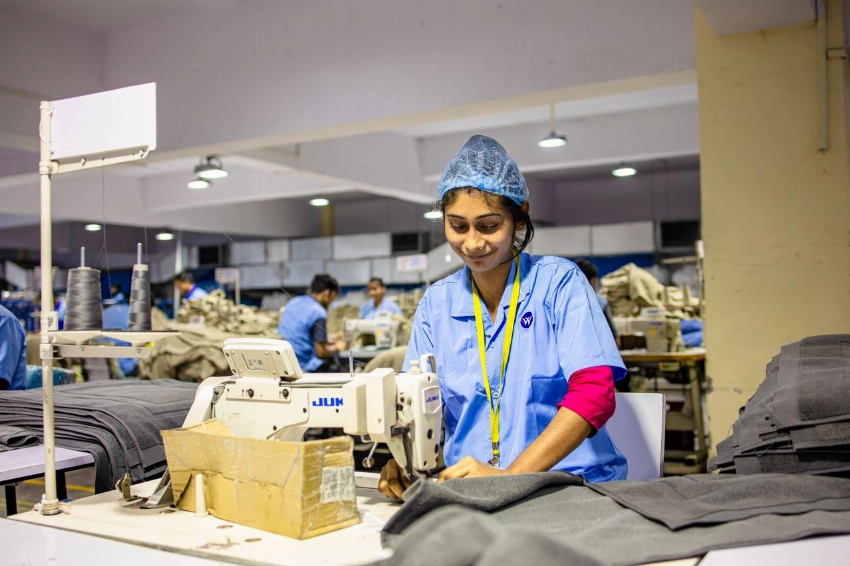
The foreign jobs in Europe that are carried out by unskilled workers are usually manual labour or low service jobs where education and specialised training are not mandatory, and are in the industries that experience labour deficits, such as agriculture and hospitality.
Such jobs can be made available to non-EU nationals in the form of an employer-sponsored visa, although the numbers depend on the country and must include a job offer stating that there are no nationals available locally.
Common Job Types
-
Agriculture/Farm Work: Fruits/vegetable pickers, harvest workers, greenhouse workers and food processing assistants; seasonal and physically demanding and usually accompanied by lodgings.
-
Hospitality: Housekeepers, kitchen helpers, waiters in restaurants, and cleaners; it is in high demand during the tourist seasons in such locations as Italy and Spain.
-
Warehousing/Logistics: Packers, loaders, order pickers, and delivery drivers; stable jobs in such countries as Poland and Germany.
-
Manufacturing/Factory: Assembly line workers, machine operators (basic), and quality control assistants; they are common in Eastern Europe.
-
Construction Labour: General labour, painters, scaffolders and site helpers; infrastructure projects are stimulated in Germany and Romania.
-
Care service: Elderly care assistants and home support workers; on the increase as a result of an ageing population, particularly in Germany and Italy.
Top Countries
-
Poland: Farming, warehousing, production; less difficulty in getting visas; wages are between 800-1200/month.
-
Germany: Logistics, caregiving, construction; higher wages of between 1, 200-1,800/month, but no frills; German was essential.
-
Italy: Seasonal, Decreto Flussi quotas, hospitality; €9001400/month.
-
Romania: Food processing, construction, quick processing, between 600 and 1100 euros per month, low cost of living.
-
Spain/Portugal: Agriculture, tourism; seasonal visa, between 850 and 1300 Euros/month.
Key Requirements
Foreigners require a sponsoring employer, a valid passport, police clearance, a medical fitness certificate, and funds ( 1,000 -3,000 euros). Simple local language (A1-A2) suffices in the majority of the cases; employment has to pass the labour market tests, providing no EU recruits. Visas are also seasonal or 1-2 year renewable with stable employment.
Expert Advice: The term "unskilled" is misleading; these jobs require physical stamina, reliability, adaptability, and often basic language skills. European employers value work ethic and dependability over formal credentials.
Also Read: How to Get Job in Europe From India? Experts Latest Guide
Why Is There High Demand for Unskilled Workers in Europe in 2026?
In 2026, Europe is experiencing a massive demand for an unskilled labour force because of the perennial labour shortages in critical sectors, which are due to structural economic and social factors. These disequilibria continue even when there are economic stalls, such as in construction and among waitresses.
Main Reasons:
-
Ageing Population: Reduced birth rate and increased longevity will result in a shrinking of the workforce and create labour gaps in labour-intensive industries such as agriculture and caregiving.
-
Migration of labourers: Young Europeans opt to take high-skilled jobs, which leaves behind unskilled jobs in agriculture, hospitality and construction.
-
Unappealing Conditions: Poor wages, strenuous physical work, distant places and seasonal work put off native employees.
-
Economic Pressures: The need to recover tourism, infrastructure projects, and supply chains increases the need for manual labour during the green/digital transitions.
-
Post-Pandemic Recovery: The hospitality and logistics industry continues to experience shortages following COVID disruptions, and jobs are available at all-time highs.
-
Skills/Preferences Mismatch: With an adequate supply of workers, they are not willing or able to be employed in low-skilled jobs.
Key Note: The 2026 labour market favours foreign workerat s more than any time in the;past decade, employers are simplifying visa requirements and offering better benefits to attract international talent.
Which European Countries Offer the Most Unskilled Jobs with Visa Sponsorship for Foreigners?
In 2026, Europe will be in high demand for unskilled foreign workers, and other countries have been at the forefront of visa sponsorship programs owing to shortages in labour supply in major industries. These countries are focused on such industries as agriculture, hospitality, and construction when local labour is limited.
Top Countries
-
Poland: The easiest entry to agriculture, warehousing and factories; quick visa, few conditions and salaries of €800- 1.200/month.
-
Germany: Logistics, caregiving, manufacturing, high volume; sponsors: through Opportunity Card or employment opportunities; salaries: €1,2001,800/month, basic German desired.
-
Italy: Decreto Flussi quotas for farming, hospitality, cleaning; open to non-EU workers, and €9001400/month.
-
Spain: Seasonal agricultural and tourist visa; hassle-free sponsorship, 850 to 1300/month.
-
Romania: food processing, construction; fast approvals, low prices, 600 -1100/month.
-
Netherlands: Logistics, warehouses; the Highly Skilled Migrant scheme is flexible for entry-level jobs, available on a payment basis of €1,500+/month.
-
Portugal: Agriculture, hospitality; there is also seasonal patronage, like in Spain.
Sponsorship Notes
The employers need to demonstrate that there are no EU candidates; concentrate on the shortage lists to be approved sooner. Non-EU foreigners, like Indians, are successful through agencies such as TerraTern when making an application.
Germany – Leading Destination for Unskilled Workers
Germany is one of the best places to go as an unskilled worker because it faces severe labour shortages, and its policies, such as the Opportunity Card, are open to them.
Key Reasons
-
The ageing workforce will leave 1.7 million vacancies in logistics and hospitality.
-
The Visa sponsorship through the Opportunity Card eases the process of entry for foreigners who are not EU citizens.
-
The wages are higher (€25,000-35,000 a year) than in most home countries.
Top Sectors
-
Logistics/warehousing (e.g., Amazon, DHL in Berlin, Hamburg).
-
Hospitality, agriculture and construction are in high demand.
-
There are avenues to competent jobs through apprenticeships.
Poland – High Demand for Agriculture and Warehouse Workers
Poland has a low availability of agricultural and warehouse workers because of the labour shortage caused by the migration of the young population and ageing. Economic growth leaves key vacancies in these sectors that are filled by foreign workers.
Key Drivers
-
By 2026, the structural shortages are estimated to be 1.5 million workers who will be working in physical jobs.
-
It has locals favouring better-paying EU jobs overseas at the expense of vacancies in the logistics and farming sectors.
-
Streamlined work permits increase foreign employment by 34 per cent in 2025.
Demand Sectors
-
Agriculture: Picking of fruits, greenhouse workers, packing; 80 per cent of the seasonal jobsare sponsored by the visa program.
-
Warehousing: Forklift operators and pickers in the growing hubs, such as Warsaw.
-
Salaries: PLN 3,8005,000/month plus accommodation.
Netherlands – Premium Wages and Quality of Life
Netherlands has high wages and high standards of living, and this attracts foreign employees who are well remunerated and have high living standards.
Wage Highlights
-
The hourly wage (21 years and above) is a minimum of €14.71 (2026), or 2,350+/month on a 40-hour week.
-
High-skilled migrants are qualified at 5,942 /month (30+), and a 30% allowance is tax-free.
-
Sector deals also increase bonuses and overtime beyond EU standards.
Quality of Life
-
International-level health care, bicycle-friendly towns, 1500+ hours of sunshine annually.
-
Safety (Amsterdam 95/100 livability) is high, the English ubiquity is omnipresent and subsidising families.
-
Best work-life balance through 26+ vacations.
Luxembourg – Highest Paying for Unskilled Workers
The minimum wage that unskilled workers receive in Luxembourg is the highest within the EU, which makes the country attractive to foreigners who cannot be compensated and are not stable.
Wage Details
-
Unskilled (18+): €2,703/month or 15.63/hour (2026, 40 hours/week).
-
Top EU rivals- half bigger than Germany/Netherlands; tax breaks enrich home pay.
-
Automatic indexation links wages to living costs, which guarantees real gains annually.
Key Attractions
-
Low unemployment rate (5%), plenty of job opportunities in the hospitality, cleaning, and building sectors.
-
Multilingual, simple commuting between France/Belgium.
-
Good social benefits: healthcare, housing benefits to residents.
Italy & Spain – Seasonal Agriculture Opportunities
Italy and Spain have a lot of seasonal agricultural activity that needs non-EU labour capacity through structured visa programs to address the labour shortage in picking fruits and harvesting.
Key Opportunities
-
The Decreto Flussi 2026 of Italy provides 40,000 or more seasonal farm visas; fruit/veg picking jobs in Lombardy, Veneto.
-
Spain aims at Andalusia and Valencia harvests of olives, citrus, grapes, and 9-month non-EU picker visas.
-
None required; contracts 3-9 months, housing/meals.
Benefits & Pay
-
Wages between €900 and 1,400/month; overtime during the high seasons.
-
Permits sponsored by the employer, through ClickDay systems; first come.
-
Some areas, such as Sicily and Murcia, prefer legal means in the face of scarcity.
Romania – Emerging Opportunity with Lower Competition
Romania stands out as a prospective destination for unskilled workers, as it has agriculture and farm employment, which is low in competition because of its relative novelty compared to Western Europe.
Key Opportunities
-
Fruit picking in vineyards and dairy farms, Transylvania, Muntenia; 320+ vacancies in 2026.
-
None required; employers cover the visa for non-EU persons; 3-6 months contract, which can be renewed.
-
Reduced volumes of applicants compared to Poland/Germany, quicker placements through the country's rural recruiters.
Benefits
-
Earns a wage of between 12-16/hour, accommodation of between 100-250/month, and free training/food usually provided.
-
An expanding economy increases demand in conditions of local shortages of labour and access to sustained positions.
-
Cheap living conditions, picturesque countryside, and competition that is not severe.
Pro Tip: Germany offers the best combination of high salaries, legal protections, and long-term residency pathways, while Poland provides the fastest application process for Indians seeking immediate employment.
What Types of Unskilled Jobs Are Available in Europe with Visa Sponsorship?
There are many unskilled jobs in Europe for Indian with visa sponsorship, and they are mainly in shortage fields such as agriculture and hospitality. These are opportunities that utilise seasonal work permits and opportunity cards for workers who are not EU.
Agriculture & Farming
-
Picking/harvesting of fruits/vegetables in Spain, Italy, Poland, Romania (olives, grapes, berries).
-
Greenhouse employment, dairy: 3-9 month employer-sponsored visa.
Hospitality & Cleaning
-
Housekeeping, kitchen assistants in Italy, Germany, Luxembourg, and Greece.
-
Attendants in hotel rooms, seasonal tourism services through chains, such as Accor/Marriott.
Logistics & Warehousing
-
Pickers, packers, and forklift operators in Poland, the Netherlands, and Germany.
-
Manufacturing hubs: assembly line assistance.
Construction & Caregiving
-
Simple location work in German and Romanian construction companies.
-
Agency sponsorship in Italy, Germany, and home care.
Also Read: Masters in Europe for Indian Students: Complete Guide
Hospitality and Tourism Jobs
The hospitality and tourism industry provides unskilled employment, which is sponsored by the visa, during peak seasons in the booming tourism industry. Roles accommodate non-EU workers through seasonal work in countries such as Germany, Italy, and Spain.
Key Job Types
-
Housekeeping, hotel/resort room attendants (Germany, Italy).
-
Waitresses, waiters, and kitchen help in restaurants.
-
Bartenders who are also baristas.
Top Destinations
-
Germany (Berlin, Munich): Hotel employees, $2300 and above/month.
-
Italy/Spain: Seasonal jobs; accommodation is usually not paid.
-
France/UK: Receptionists, sponsored cleaners.
Benefits
-
Wages: 1800-3500/month; overtime and tips are frequent.
-
Employers offer visas; housing/dining for numerous positions.
Agriculture and Farming Jobs
The agricultural and farming industries in Europe offer visa-sponsored unskilled labour during labour shortages, and seek to find non-EU workers to work in seasonal harvests on a seasonal basis through permits such as the Decreto Flussi in Italy.
Key Job Types
-
Picking Fruit/vegetable picking (olives, grapes, berries) in Italy, Spain, Greece.
-
Farm labour, livestock work, and greenhouse work in Germany and the Netherlands.
-
No experience required when harvesting and packing.
Top Destinations
-
Italy: 24,000+ visas for 2026; €1,100–€1,500/month.
-
Germany/Netherlands: 11-15/hour free housing.
-
Greece/Norway: €1,2001,500/month seasonal positions.
Benefits
-
On the job, visas, accommodation, and meals are included.
-
Overtime payment, 3-9 month contracts.
Warehousing and Logistics Jobs
The warehousing and logistics industries of Europe are in chronic labour shortage and provide non-EU workers with visa-sponsored unskilled labour in picking, packing and distribution.
Key Job Types
-
Pickers, packers and forklift operators working with e-commerce products in warehouses.
-
Distribution centres have logistics assistants who are the loaders.
-
Provision of on-site training for inventory stockers.
Top Destinations
-
Poland/Netherlands: Volume clients such as Amazon, DHL (€2,000+/month).
-
Luxembourg/Portugal: 950- 3500/month through DHL, DB Schenker sponsorship.
-
Germany: Factory logistics Opportunity Card pathways.
Benefits
-
Employer-sponsored visas, free/subsidised housing, overtime wages.
-
Flexibility of shifts, health cover and 2-year renewable plans.
Construction and Manual Labor Jobs
The construction sector in Europe is presenting visa-sponsored unskilled manual labour employment opportunities in infrastructure booms and labour shortages.
Key Job Types
-
Site prep and material handling general labour in Germany and Romania.
-
Simple masonry aids, concrete pourers, and demolition aids.
-
Untrained assistants in highways and home construction.
Top Destinations
-
Germany: Opportunity Card Workers; 2500+/month.
-
Romania: 25 RON/hour (~5 euros); 2026 sponsorship quotas.
-
Denmark/Norway: Well-compensated jobs €2,200-5500/month.
Benefits
-
Accommodation allowances, employer visas and overtime.
-
Roads to residency in more than 2 years; safety training is required.
Caregiving and Healthcare Support Jobs
Europe has caregiving and healthcare support areas which provide visa-sponsored attraction of unskilled workers to address ageing and staffing shortages. The jobs are concerned with assisting patients in Ireland, Germany, the UK, and Italy.
Key Job Types
-
In nursing homes, healthcare assistants are beneficial in terms of assisting with everyday living and mobility.
-
Elderly, disabled clients work with home care support.
-
Cleaners/hospitals/clinics. Nursing aides.
Top Destinations
-
Ireland: €27, 000 -32,000/year; full sponsorship through an Employment Permit.
-
UK/Germany: NHS jobs, Opportunity Card careers; over 2000+/month.
-
Scotland: Visa-supported home care.
Benefits
-
Health insurance, accommodation assistance and training.
-
2-year renewable contracts, paths to residency.
Cleaning and Janitorial Services
The unskilled employment in cleaning and janitorial services in Europe has been a high-demand business, such as office, hotel, and hospital services, due to the lack of labour.
Key Job Types
-
Cleaners of offices/hotels, floor cleaning in Germany and the Netherlands.
-
Hospital aides were involved in sanitation, and industrial janitors.
-
Simple equipment is used by public space attendants.
Top Destinations
-
Luxembourg: Multilingual cleaners are sponsored with at least 2,500+/month.
-
Netherlands/Germany: 12-15/hours through GVVA permits, housing benefit.
-
UK/Ireland: 250 or more positions on Indeed are fully supported.
Benefits
-
Employer-paid visas, safety training, and flexible shifts.
-
In the long run, health insurance and access to a permanent residence.
Manufacturing and Factory Jobs
The manufacturing and factory industries of Europe empthe visa-sponsored unskilled labour because of the shortage of employon the assembly and production lines. Common in Germany, Poland and Spain as a stable entry-level position.
Key Job Types
-
Production operators, assemblers lining up goods.
-
Operators, food/auto factory packers.
-
Lowly trained quality inspectors and loaders.
Top Destinations
-
Poland/Hungary: food processing costs between 13 and 15/hour.
-
Germany/Spain: $2 -3500/month automotive positions.
-
Czech Republic: Assembly of electronics sponsorship.
Benefits
-
Employer Visas, pay raise on overtime 2030.
-
Housing assistance, health coverage, and a 12-year contract.
Food Service and Kitchen Jobs
The food service and kitchen employment in Europe sponsors unskilled workers with a visa to work-related food service and kitchen industries because of the boom of tourism and scarcity of staff in restaurants and hotels.
Key Job Types
-
Kitchen assistants, waiters, and foremen in eateries.
-
Waitresses and baristas who serve customers in hotels and cafes.
-
The assistants of Cooks chopping and cleaning in Europe.
Top Destinations
-
Germany/Italy: Waiters/chefs: €2,300– Euro 3,200/month.
-
France/UK: Hotel kitchen jobs £1,800 and above with sponsorship.
-
Spain: Seasonal employees in restaurants in tourist destinations.
Benefits
-
Complimentary/subsidised meals and lodging; overtime/tips increase wages.
-
Training employer Visas; 6-12 months renewable.
Advice by our Expert: Caregiving roles offer the fastest pathway to permanent residency, while warehouse and construction jobs provide the highest immediate earning potential with overtime opportunities.
Also Read: Hardest Visa to Get in 2026: Expert Guide for Indian Applicants
What Are the Essential Requirements for Indians to Get Unskilled Jobs with Visa Sponsorship in Europe in 2026?
Indians applying for unskilled jobs with visa Sponsorship in Europe must have a valid passport (minimum 6 months validity), a confirmed job offer by a licensed sponsor employer, a clean criminal background certificate by Indian authorities, a medical fitness certificate, proof of financial means (EUR 1,000- EUR 3,000 depending on the country) and in some countries, basic language skills (A1-A2 language level). Age limits usually range from 18 to 45 years.
Mandatory Requirements
-
Valid Passport: Valid for at least 6 months from the date of travel commencement.
-
Confirmed Job Offer: Means of employment contract or a formal job offer form from a legal and recognised sponsor employer in Europe.
-
Criminal Background Certificate: Police clearance certificate from the local Indian authorities covering all places lived in the last 5 years.
-
Medical Fitness Certificate: Health Check from approved panel physicians, including tests for communicable diseases. Certificates can require apostille legalisation.
-
Proof of Financial Means: Proof of funds ranging from EUR 1,000 to EUR 3,000 per country of destination to cover the first period of stay & travel expenses
-
Age Criteria: Generally between 18 to 45 years of age, with some exceptions in different countries.
-
Language Skills: Basic multicultural proficiency (A1-A2 level) in the local language (e.g., German, Polish, Italian) is becoming compulsory in many European countries as this facilitates easier integration and communication in the workplace.
What Documents Are Needed by Indians for a European Unskilled job Visa Application?
-
Passport & Photos: Valid Passport with a minimum 6+ months validity, two blank pages, and recent Schengen-compliant photos (35x45 mm with a White background).
-
Employment Documentation: Offer of employment letter on company letterhead stipulating salary, position and date of start; signed employment contract from both employer & employee; Registration status of the employer's business
-
Police Clearance: Police Clearance certificate from the District/Regional Passport Office, valid for 6 months, including all states of residence over the last 5 years.
-
Medical Certificates: Health examination from an authorised panel physician: TB test, HIV test (required by some countries) and general health examination ( minima [he/hs/lb are equivalent to 40 PG A1 materials] and minima [he/hs/lb are equivalent to 40 PG A1 materials].
-
Financial & Accommodation: Proof you have the financial means (EUR 1000- EUR 3000), Travel insurance (min EUR 30,000 Schengen policy) and proof of accommodation (employer letter or accommodation rental).
-
Additional Documents: Educational certificate (sometimes even for unskilled jobs required), Marriage certificate (if for future family reunion), Apostille (legalised copies of all Indian authority-issued documents)
What Are the Age and Health Requirements for Indians Seeking Unskilled Jobs in Europe?
Most European countries prefer Indian unskilled workers aged 18 to 45 years, with some extending up to 50 years for caregiving roles.
-
Physical fitness is crucial due to the labour-intensive nature of work; applicants undergo mandatory medical exams, including tuberculosis screening, chest X-rays, blood tests for infectious diseases, and general physical and mental health checks.
-
Controlled pre-existing conditions such as diabetes and hypertension are usually accepted, but serious health issues may disqualify candidates.
-
Some countries specify BMI, basic vision, and hearing standards for safety-sensitive positions.
-
Vaccination proof, including COVID-19 and sometimes hepatitis B, is required depending on the job, especially in health-related sectors.
Do Indians Need Language Skills for Unskilled Jobs with Visa Sponsorship in Europe?
Germany requires an A1-A2 level of German, often mandatory for visa and job access, while France mandates an A2 level of French for unskilled workers.
-
Poland and Romania have minimal language requirements; English is often sufficient in these countries, especially in warehouses and hotels.
-
In Italy, A2 Italian language skills are beneficial but not always mandatory; Spain and Portugal consider the A2 level helpful though not compulsory.
-
Many employers provide on-the-job basic language training to help workers adapt quickly.
-
Language certificates such as those from Goethe-Institut (German) and DELE (Spanish) may be required in some countries, but functional communication is accepted elsewhere; workers can use free apps like Duolingo and Babbel, embassy classes, and YouTube tutorials for preparation.
What Financial Proof Is Required for Indian Applicants?
Minimum funds required by country:
|
Country |
Minimum Funds Required |
Acceptable Proof |
Format Requirements |
Minimum Balance Duration |
Employer Assistance |
|
Germany |
€3,000–€5,000 |
Bank statements, fixed deposit certificates, sponsorship letters, and employer advance payment proof |
Official bank letterhead, notarised or bank-stamped |
3–6 months |
Many sponsors provide accommodation and an advance payment |
|
Poland |
€1,000–€2,000 |
Bank statements, fixed deposits, sponsorship/employer proof |
Bank letterhead, notarised or stamped |
3–6 months |
Accommodation or advances are often offered |
|
Romania |
€1,000–€2,000 |
Bank statements, fixed deposits, sponsorship/employer proof |
Bank letterhead, notarised or stamped |
3–6 months |
Accommodation or advances are often offered |
|
Schengen Visa |
€2,000–€3,000 |
Bank statements, fixed deposits, sponsorship/employer proof |
Bank letterhead, notarised or stamped |
3–6 months |
Some sponsors reduce the burden via lodging/advance |
How Much Can You Earn from Unskilled Jobs in Europe for Foreigners?
In Europe, unskilled jobs in Europe for foreigners salary by 2026; on average, between 1,200 and 3,500 Euros, with overtime and benefits. Payments depend on the country and industry, not to mention being higher than their home pay, with taxes/housing allowances.
Table by Country Salary (Gross Monthly, 2026)
|
Country |
Range (€) |
Notes |
|
Luxembourg |
2,300–2,700 |
EU highest; unskilled min €2,703 |
|
Netherlands |
2,000–2,500 |
€14.71/hour base for 21+ |
|
Germany |
1,800–2,500 |
€10–15/hour; Opportunity Card |
|
Ireland/UK |
2,000–3,000 |
Sponsorship roles with tips |
|
Poland |
1,200–2,000 |
Warehousing/agriculture peaks |
|
Italy/Spain |
1,100–1,800 |
Seasonal + overtime common |
Country-wise Salary Comparison
Comparison of Salaries in Countries (Unskilled Jobs, Gross Monthly €, 2026).
|
Country |
Salary Range |
Hourly (€) |
Notes |
|
Luxembourg |
2,300–2,700 |
15.25 |
EU highest minimum |
|
Netherlands |
2,000–2,500 |
14.06–14.71 |
40h week based |
|
Germany |
1,800–2,500 |
12.82 |
Warehousing/construction peaks |
|
Ireland |
2,000–3,000 |
12.70 |
Tips boost hospitality |
|
Poland |
1,200–2,000 |
8.60 |
Logistics high |
|
Italy |
1,100–1,800 |
N/A |
Seasonal agriculture |
|
Spain |
1,100–1,800 |
7.82 |
Tourism overtime |
|
Romania |
600–900 |
4.30 |
Low costs offset |
Sector-wise Salary Breakdown
Sectoral Salary Breakdown (Unskilled Jobs, Gross Monthly fulfilled, 2026)
|
Sector |
Salary Range |
Hourly (€) Avg |
Top Countries |
|
Agriculture/Farming |
1,200–2,000 |
8–12 |
Italy, Spain, Poland |
|
Warehousing/Logistics |
1,800–2,800 |
10–14 |
Germany, Netherlands |
|
Construction/Labour |
1,400–2,500 |
10–15 |
Germany, Romania |
|
Hospitality/Food |
1,500–2,300 |
9–13 |
Germany, Italy |
|
Manufacturing/Factory |
1,300–2,200 |
10–14 |
Poland, Germany |
|
Cleaning/Janitorial |
1,200–2,000 |
9–12 |
Netherlands, Luxembourg |
|
Caregiving/Healthcare |
1,800–2,800 |
11–16 |
Ireland, Germany |
Additional Earnings Potential
In Europe, unskilled employment enhances income above base remuneration in overtime, shifts, and benefits, which is likely to increase monthly earnings by 2050% in 2026. It is Western roles that make foreigners most lucrative.
Overtime Pay
-
Rates: 150-200 per cent of hourly wage (e.g. 15-30/hour overtime).
-
Night/Weekend Charges: As high as 100 per cent higher in Germany and Finland.
-
Annual Potential: €3,000 to 6000 to be added through 10-20 hours of overtime per week.
Shift Differentials
-
Night Shifts: +25–50% (e.g., €2–5/hour bonus).
-
Weekends/Holidays: 175-200 per cent in Poland and the Netherlands.
Other Boosters
-
Tips (hospitality): 200-800/month (in tourist places).
-
Benefits: Free meals/housing will save 300-600, and 13th-month compensation is typical.
Total Monthly Earnings vs Cost of Living Analysis
In Europe, unskilled employment pays foreigners between 1200 and 3500 gross monthly total incomes, which translate to 800-2000 net savings after subsistence in 2026. Western Europe takes home pay to the maximum, even under the increased costs.
Income vs Living Expenses (monthly Avg Euro)
-
Luxembourg: Profit of one income of 2,500 Euros + Expenses of 1,800 Euros = Savings of 700.
-
Germany: Income of 2,200,000 Marks, expenses of 1,400,000 Marks and savings of 800,000 Marks.
-
Netherlands: Revenue of €2,300, Expenses of 1,600, and Savings of 700.
-
Poland: profit in euros 1600 | expenses 800 | profit 800 influence.
Key Factors
-
Housing/meals allowances reduce the expenses by 20-40 (savings of 300-600).
-
Eastern Europe: Low costs (600 -1000 euros) are associated with high relative savings.
-
OT augments net by an average of 400-800 euros sector-by-sector.
Benefits Beyond Salary
The unskilled positions in Europe offer good non-monetary rewards, other than salary, that will make it attractive to foreigners through sponsorship and support schemes in 2026.
Key Benefits
-
Free/subsidised accommodation costs are saved of €300-600/month; shared rooms are typical.
-
Food savings (23 meals per day) will reduce the amount spent on food by 200-400 Euros.
-
The EU jobs require health insurance and paid sick leave.
Work Perks
-
Overtime (150200 per cent pay), 20-30 days of vacation a year.
-
Skill upgrades: training/certification, residency after 1218 months.
-
Family reunification, Germany/Netherlands.
Expert Advice: While Luxembourg offers the highest nominal wages, Germany provides the best balance of high earnings (€1,500-€2,200), manageable living costs, and excellent social benefits, allowing workers to save €600-€900 monthly.
What are the Visa Requirements for Unskilled jobs in Europe for Indian Workers?
Indian employees who want to work unskilled in Europe have a hard time getting their way since most countries tend to understand skilled labour yet only provide seasonal or shortage-based visas. Availability is also dependent on the country of residence, with sponsorship being a requirement because of EU labour market tests.
Core Requirements
-
A valid passport should have a validity of at least 6 months, and the booklet should have 2 blank pages.
-
Offer of an employer who is a licensed sponsor, employment offer and agreement containing the salary, position and start date.
-
Criminal record certificate cleared by the Indian authorities.
-
Meeting EU standards on the medical fitness certificate.
-
Evidence of finances (usually between 1-3 000, depending on the country).
Additional Criteria
-
Age typically 18–45 years.
-
Elementary language knowledge (A1/A2 level in the host language, e.g. German or Italian) is in many cases necessary or advantageous.
-
Recent (Schengen format: 35x45mm, white background) passport photographs.
Key Visa Types
-
Seasonal employment visas (e.g. agriculture in Italy, through Decreto Flussi).
-
General visas or permits for work are granted following an employer's demonstration of a local labour deficit.
-
Local choices such as the work visa of Germany for logistics/caregiving or the simple-entry permits of Romania.
Essential Documents Required for All European Work Visas
Other important documents required for all European work visas include a valid passport, a job offer or employment contract, as well as evidence of qualification. Though precise details may differ depending on a nation, these are the universal necessities.
Core Documents
-
Valid passport (6+ months before stay).
-
Offer/employment contract describing position, wages, and term.
-
Filled visa application form.
-
New passport pictures (2 identical).
-
Education certificates/diplomas (in case of necessity, translated).
-
The updated CV (Europass format is recommended).
-
Evidence of health insurance coverage.
-
Police clearance certificate.
Additional Common Items
Evidence of accommodation and health insurance can also be used; always check what is country-specific.
Country-Specific Visa Categories
The work visa in Europe is country-specific, though they have similar categories, such as the EU blue card, which applies to talented professionals. The following table describes the main types of visas of major countries, concentrating on the non-EU applicants.
Categories of visas in countries.
|
Country |
Main Visa Categories |
Target Professions/Skills |
|
Germany |
EU Blue Card, Skilled Worker Visa |
IT, engineering, healthcare |
|
Netherlands |
Highly Skilled Migrant, EU Blue Card |
Tech, finance, startups |
|
France |
Talent Passport, EU Blue Card |
Innovation, research, and managers |
|
Portugal |
D7 Visa, Tech Visa |
Digital nomads, remote workers |
|
Spain |
Self-Employed Visa, ICT Visa |
Hospitality, tech, tourism |
|
Poland |
Type A Work Permit |
Manufacturing, construction |
|
Ireland |
Critical Skills Permit |
Pharma, finance, IT |
|
Sweden |
Work Permit |
Skilled roles with a fair salary |
|
Italy |
Nulla Osta Work Visa |
Various with the labour market test |
|
Czech Republic |
Employee Card |
IT, trades, healthcare |
Language Requirements by Country
Work visas to Europe hardly require language proficiency initially, focusing on employment opportunities and abilities. The English language is usually adequate when it comes to tech/IT positions; local languages facilitate integration. Countries and visa types require different levels of requirements (e.g. CEFR A1-B1 to settle).
Language Requirement by country.
-
Germany: No exam for the majority of work visas, B1 German to permanent.
-
Netherlands: English as a skilled migrant; Dutch A2/B1 since.
-
France: French A1-B1 in case of Talent Passport; English in some technical positions.
-
Poland: Type A permit: no language requirement.
-
Ireland: native speaker or English B2 (IELTS/equivalent).
-
Sweden: No formal test; Swedish/English per job.
-
Spain/Portugal: N/A; English is popular in tourist/tech.
-
Italy: Italian A1- A2 on certain visas; English is optional.
Medical and Health Requirements
European work visas normally require proof of good health and the absence of communicable diseases such as TB. Medical certificates are widespread, usually including chest x-rays, blood tests and immunisations. All people are required to have health insurance.
Core Requirements
-
Medical Fitness Certificate: A certified doctor, within 3 months, testifies that there are no infectious diseases (TB, HIV).
-
Chest X-ray/TB Test: Long stay of high-risk nations.
-
Blood/Urine Tests: STDs, hepatitis screen; country-specific.
-
Immunisations: evidence of MMR, Hep B; occupation-related (e.g., healthcare).
-
Health Insurance: Schengen-wide (minimum medical/repatriation: €30K).
Notes
Nation-specific: Germany/Netherlands are less restrictive of residence; Spain/Portugal are more restrictive of residence. Always check the embassy.
Pro Tip: Start your language learning (basic A1 level) at least 3 months before applying; it's the single biggest factor that accelerates visa approval and improves job prospects.
How Does the Visa Sponsorship Process Work for Unskilled Jobs in Europe?
Unskilled Employer-driven and restricted by labour market tests, the visa sponsorship process of unskilled jobs in Europe (e.g., agriculture, hospitality in Poland, Germany) is fixed. Before sponsoring non-EU employees, employers have to demonstrate that there are no EU applicants.
Sponsorship Process
-
Job Offer: Secure an offer from the employer in shortage areas (e.g. farm work, cleaning).
-
Applied by Employers: The company presents a work permit/labour market test to the local authorities.
-
Application to Visa Worker: A visa is applied for at the embassy with a contract, passport, medical certificate, and insurance.
-
Approval and travel Visa: Granted (3-6 months); the company usually helps with moving.
-
Compliance: Post-arrival registration; agreement guarantees minimum wages, accommodation.
Advice by our Expert: The biggest mistake applicants make is not verifying employer legitimacy before investing time and money. Always conduct thorough research and never pay upfront fees to "agents" promising jobs.
Also Read: Top Golden Visa Countries: Requirements, Benefits & More
What Are the Benefits of Unskilled Jobs in Europe for Indian Workers?
In Europe, unskilled jobs provide Indian workers with good income, laws and opportunities to develop without proper qualifications. These functions solve labour shortages in the agricultural, hospitality and manufacturing sectors.
Key Benefits
-
Better pay: $600-1400/month (₹52,000-122000), so far out of range with Indian counterparts who have remittances.
-
Lawful safety: Visa sponsorship provides controls over contracts, salaries, and overtime.
-
Social Perks: Free health, pension, paid leave and the opportunity to reunite with the family.
-
Path to Residency: 2 -5 years of work results in PR/citizenship in Germany or Poland.
-
Skill Development: The on-the-job training and exposure to the culture enhance future career opportunities.
Expert Advice: Beyond the obvious financial gains, the true value lies in skill development and permanent residency pathways—many workers transition from unskilled to skilled roles within 3-4 years, doubling their earning potential.
Also Read: Top 10 Most Expensive Countries in The World
What Challenges Do Indian Workers Face with Unskilled Jobs in Europe and How to Overcome Them?
Unskilled Indian employees within the European labour market experience language barriers, cultural adaptation and threats of exploitation, but these are offset by proactive initiatives. Beating them creates the strength of success.
Key Challenges & Solutions
-
The Language Barriers: Poor English and/or local language barriers.
Conquer: Free language classes by the employer; applications such as Duolingo (3 months preparation).
-
Homesickness: Family isolation is a source of stress.
Conquered: Rejoin Indian circles, WhatsApp teams; annual visits to India.
-
Cold Weather: Unfamiliar with harsh winters with the Indians.
Overcome: Multicoloured dresses, taking vitamin D pills; the first step is southern Europe.
-
Exploitation Scam: Fraudulent agencies charge fees.
Overcome: Pay nothing, use EURES/verified recruiters.
-
Work Culture Shock: Punctuality, straightforward feedback.
Beat: See the elderly; accept discipline when getting promotions.
Pro Tip: Challenges are temporary and manageable; 90% of workers successfully adapt within their first 3-6 months by actively seeking community, learning the language basics, and maintaining open communication with employers.
How Can I Apply for Unskilled Jobs in Europe with Visa Sponsorship from India?
To be visa-sponsored to apply to unskilled roles in Europe, the strategy would need to be focused on the labour deficit areas, such as agriculture and hospitality, through proven avenues. The easiest entry is Poland, Germany and Italy.
Application Steps
Step 1 – Prepare Your Application Documents
Step 1 aims at putting together the right, validated paperwork to increase the chances of the approval of unskilled job sponsorship applications in India. Begin an early 3-month time frame to prevent delays.
Essential Documents
-
Valid Passport: min. validity 6 months; 2 blank pages; renewal if the passport expires in the near future.
-
Resume/CV: 1-page, plainly structured resume with emphasis on stamina, reliability, and previous manual experience.
-
Police Clearance Certificate (PCC): Under Passport Seva; apostiled to make it valid in the EU (₹500).
-
Practical Fitness Certificate: Government panel physician; TB/HIV-free certificate (3 months validity).
-
Photos: 6 passport-sized (35x45mm) with a white background, prepared in digital form.
-
Educational Proofs: 10th certificate, experience letters (notarised translation (where necessary) ).
Preparation Tips
Check and scan all high-res PDFs; apply the Europass CV template to be recognised in the EU.
Step 2 – Find Job Openings on Top Platforms
The second step is to target the verified platforms that post unskilled jobs with visa sponsorships and target the high-demand countries, such as Poland and Germany. Checks on a daily basis bring about 50-100 openings weekly.
Top Platforms
-
EURES.europa.eu: Official EU job portal; filtervisa sponsorship + unskilled (agriculture, warehouse).
-
Indeed.com: Search unskilled visa sponsorship in Europe; Location Alerts:200+ listings.
-
LinkedIn.com: Subscribe to such firms as EDEKA, Accor; enablers: visa sponsorship, factory worker.
-
Agency Sites: Terratern.com, BCMGroup.in, NCVisas.com, in case of India-specific placements.
-
National Portals: Bundesagentur.de (Germany), Praca.gov.pl (Poland), to find those nationally.
Search Tips
Apply to 10-15 jobs daily; track in a spreadsheet.
Step 3 – Ace the Interview Process
Step 3 involves the use of simple and practical interviews in unskilled positions, which is a test of reliability, rather than skills. 10-20 minutes of Zoom/phone calls expected; selection improved with preparation (30-50 minutes).
Preparation Tips
-
Research Role: Learn the work requirements (e.g., speed during packing, flexibility of shift); train responses regarding stamina, teamwork.
-
Simple language: Study 10 English phrases in the local language (e.g., Ja, ich verstehe in German).
-
Flair: Professional shirt; stable internet; no sound background on video.
During Interview
-
Demonstrate Thrill: Smile, eye contact; tell him, Ready to start at once, work overtime.
-
Simply answer: 3 years of experience in a warehouse, good, solid, team player. Avoid over-talking.
-
Ask Questions: "What shifts? Accommodation provided?" Shows seriousness.
Follow-Up
Accept emails and send repayment emails; follow up on 20 applications weekly by having two or three interviews.
Step 4 – Secure Job Offer and Sponsorship
Step 4: Gives you a go-ahead by an official job offer and appropriate commitment of sponsorship by the employer. Before signing, one should be aware of the terms under which they will be considered legally protected.
Key Steps
-
Getting an offer letter: salary (360-1400), working hours (40/week), accommodation, and start date.
-
Confirm Sponsorship: Make sure that the employer will submit a work permit/labour market test (required to get a visa).
-
Bargain Conditions: Demand overtime, travel allowance; insist on written commitments.
-
Sign Contract: two copies (English/local language); notarise where necessary; retain original copies.
-
Pay No Fees: Legitimate offers are not paid; report requirements are instant.
Next Actions
Application at the work of the employer (2-4 weeks); at the same time, prepare personal visa documents.
Step 5 – Begin Visa Application with Employer Support
Step 5 liaises with your employer to initiate the visa process with a work permit approved by them. This is an employer-led move that is usually done in 15-60 days within Europe.
Key Actions
-
Get Approved for Permit: Employer provides work permit reference and labour approval documents.
-
Full Forms: Fill DS-160 equivalent (country-specific); employer invites letter.
-
Collection Support Docs: include medical cert, insurance evidence, and bank statement (with 2000 euros or more).
-
Book Embassy Slot: through VFS Global; payment of fees of €60-200 (employer can cover the costs).
-
Employer Coordination: They hand in sponsorship paperwork straight to the authorities; they monitor together.
Tips
There are also requirements to submit within 3 months of permit validity; a biometrics interview must be attended and prepared.
Step 6 – Track Application and Prepare for Departure
Step 6 is a method to monitor the visa process as you complete travel arrangements. The approval is generally received within 15-60 days; that is the time you should make proper preparation.
Tracking Process
-
Status: VFS/embassy portal: Monitor status daily with reference number; employer in permit.
-
Act Fast: Provide any other records (e.g., new medical) within 48 hours.
-
Pick up the Passport: Check in VFS with the receipt; check the validity of the D-visa stamp (3-12 months).
Pre-Departure Prep
-
Book Flights: One-way ticket; provide the employer with details to get picked up at the airport.
-
Warm clothes, medicines, adapters, Indian food staples, and a documents folder are included in Pack Essentials.
-
Short Family: Prepare for remittances; work out the schedule of the first video call.
Expert Advice: The key to success is volume and persistence. Successful applicants typically apply to 30-50 positions over 2-3 months before securing offers. Don't get discouraged by rejections; view each application as practice.
Can Unskilled Jobs with Visa Sponsorship in Europe Lead to Permanent Residency for Indians?
Yes, visa-sponsored unskilled employment in Europe can result in permanent residency (PR) for Indians, although the route depends on the country and will take sustained legal effort (usually 3-5 years) and integration, as well as upskilling. Not every short-run seasonal visa is eligible.
Key Pathways
-
Germany: 4-5 years of skilled worker visa (upskill unskilled); becoming a skilled worker opens the PR with family privileges.
-
Poland/Romania: PR when there is a 3-year continuous employment record; little language proficiency requirement, and expedient treatment of labour shortage positions.
-
Portugal/Spain: 5 years legal residence; by moving toward skilled jobs through training, increases approval.
-
Conditions: Must provide constant tax payments, pure record, basic local language; may become citizens with PR (all 5-10 years).
-
Success Strategy: Select long-term agreements; seek free vocational training for promotion/PR qualification.
Permanent Residency Pathways by Country
Yes, the unskilled employment with Visa sponsorship may grant permanent residency (PR) to Indians of various European countries after 3-5 years of legal employment, provided that you possess the integration requirements, such as language proficiency and stable income.
PR Pathways by Country
-
Germany: 5 years of experience (4 of which are B1 German); upskilled through training for Niederlassungserlaubnis.
-
Poland: 3 years of work experience; little to no language knowledge; quick PR for shortage occupations, such as agriculture.
-
Portugal: 5-year legal residence; family reunion (after 2); can become a citizen.
-
Spain: 5 consecutive years; abolition of seasonal and creation of a residence permit.
-
Ireland: 5 years of reckonable residence; a work permit is required.
Key Requirements Across All Countries
The main criteria of any permanent residence through unskilled work visas are similar in all the European states, but the focus is on constant employment and the absorption of the immigrant after 3-5 years. These apply to Indians in general.
Universal Requirements
-
Visa-free: 3-5 years working on full-time valid permits without interruptions for more than 6 months.
-
Constant Income: Minimum wage payment; evidence through payslips/tax returns.
-
Taxes and Social Dues: No defaults; no arrears.
-
No Criminal Records: No convictions; recent police certificate.
-
Integration Proof: Basic local language (A1-B1 CEFR); completed courses are preferable.
-
Health Insurance: Full-time insurance during stay.
Accelerating PR Through Career Progression
Upskilling, higher salaries, and integration credits of unskilled jobs into permanent residency (PR) shorten timelines of work in Europe by 1-2 years when these jobs are upskilled and promoted. Pay attention to the training of employers to get eligibility faster.
Acceleration Strategies
-
Vocational Training: Forklift/welding full certifications entirely free (6 months); can become a skilled worker and wait 5 years less in Germany to gain PR status.
-
Supervisor Promotion: 1-2 years of reliability will result in roles of team leader (€200+ raise); fits the requirements of a stable career in Poland PR.
-
Mastery of language: B1 local language is half of the integration time through employer courses (e.g. Germany: 4 years overall).
-
Overtime/Performance: Surpasses bonus targets; demonstrates financial independence, which is needed by everyone.
-
Job Switches: Change to shortage jobs (e.g. healthcare aide) after 1 year to be priority PR processed.
Family Reunification After PR
Once Indian workers receive permanent residency (PR) in Europe, family reunification becomes much simpler, which means that they can sponsor spouses and minor children with fewer conditions. PR holders have almost the same right to family sponsorship as a citizen.
Key Benefits Post-PR
-
Immediate Eligibility: wait by Sponsor spouse/children under 18 without work permit( vs. 1-2 years pre-PR).
-
Work Right: The family members receive open work permits; no employment limitations.
-
Free Education/Healthcare: There is access for children to local-rate public schools and universities.
-
Minimal Income Proof: PR status assumes a stable situation; housing validation is predominantly needed.
Application Process
-
Documents: Marriage/birth certificates (apostilled), PR card, accommodation proof, and health insurance.
-
Processing time: 3-6 months; family members on a residence permit can convert to PR.
-
Countries: Easiest in Germany/Poland (there is no language test after PR); Spain/Portugal permit parents.
Citizenship After Permanent Residency
Yes, in the majority of European countries, citizenship is possible after permanent residency (PR), which usually takes another 3-8 years of residence after PR, knowledge of the language and integration. Many countries are in favour of dual citizenship for Indians.
Key Requirements
-
Residence Period: 5 years cumulative after PR (e.g. Germany/France); 3 years when married to a citizen.
-
Language Proficiency: local language (English in Ireland) B1-C1 level test(waived).
-
Integration Test: Pass civics/history Exam; demonstrate community service.
-
Financial Stability: Consistent earnings that are over the minimum; no welfare dependence.
-
Renunciation: not necessary in Portugal/Poland, compulsory in the Netherlands.
Country Timelines
-
Germany: PR + 3-5 years (total 8).
-
Poland: PR + 3 years (fastest).
-
Portugal: PR + 5 years (study time counts).
Advice from our Expert: Starting with an unskilled job is NOT a dead-end; it's a strategic entry point. With language learning and vocational training, 60-70% of workers transition to skilled roles within 3-5 years, securing both higher salaries and faster PR pathways.
What Are the Latest 2026 Trends Affecting Unskilled Jobs with Visa Sponsorship in Europe?
The future of 2026 trends in Europe indicates an increase in unskilled visa quotas due to the ageing population and shortages in the labour force, with increased focus on digital applications and simplified checks based on basic skills. Indian workers enjoy a simplified process in Poland and Italy, although competition is increasing.
Major Trends
-
Increased Quotas Poland/Romania: Increases seasonal quotas on agriculture (€600-1,000/month); in Italy, the Decreto Flussi introduces 100K+ unskilled quotas.
-
Digital Processing: EU Talent Pool sites are online and can reduce the time it takes to approve applications to 30 days; automated e- applications eliminate fraud.
-
Upskilling Push: Basic language/digital literacy is now mandatory, and employer training is now compulsory for sponsorship.
-
India-EU Pacts: Mobility deals expedite India through screened recruiters, specialising in logistics/hospitality.
-
Country Shifts: Germany restricts unskilled sponsorships to semi-skilled transitions; Eastern Europe is becoming the main destination.
Expert Advice: 2026 is the best year in a decade for Indian workers seeking European opportunities. Policy simplifications, labour shortages, and rising wages create a perfect storm of accessibility. Apply NOW before competition increases.
How Can TerraTern Help Indians Secure Unskilled Jobs with Visa Sponsorship in Europe?
As an immigration consultancy specialising in visas, TerraTern facilitates unskilled job placements where Indians are sponsored by a visa to go to Europe. They relate clients with known employers in shortage areas through their knowledge of documentation and procedures.
Key Services
-
Job Matching: Direct access to sponsoring employers in Poland, Germany, Italy (agriculture, warehousing); vetted listings with visa guarantee.
-
Preparation of documents: Processes Europass CVs, police certs, medical certs, apostilles; prepares embassy-ready packages.
-
Visa Application Services: Files employer permits, books embassies, and interviews; end-to-end services (90 per cent success).
-
Pre-Departure Training: Free culture/ language/ contract orientation; insurance/banking partners Expatrio.
-
Post-Arrival Services: Airport transportation, registration, and social networking in 10+ cities.
Why Choose TerraTern Over Other Consultants?
TerraTern is distinguished by the Indian clients who need jobs in Europe because it has a record of success, transparency, and end-to-end services as compared to the generic consultants.
Key Advantages
-
90 per cent Success Rate: Tops charts vs BCM (85 per cent), MM (80 per cent) in placements, visa approvals.
-
Gov.-Issued & Open: No extra charges; full-disclosure contracts as opposed to shysters.
-
Full Lifecycle Support: Housing, helpline, job changes, etc. - not just basic visa assistance.
-
Expatrio Partnership: Easy relocation to Germany; training, cultural/language training are included.
-
Bangalore: Talent: Local advantage in tech/unskilled positions; 5-star Trustpilot ratings.
Tested on over 1000+ Indians; does not involve fraud traps.
How to Get Started with TerraTern?
Start the European employment experience with TerraTern through an easy online procedure, and a profile analysis will be conducted to guide you onthe visa application. A free first consultation will guarantee rapid initiation.
Step-by-Step Process
-
Profile Submission: Complete online applications with CV, skills, and a free eligibility test in 24 hours.
-
Free Consultation: Video call to find jobs (Poland farms, Germany warehouses); choose offers.
-
Documentation: upload passport and certificate; TerraTern is Europe-optimised.
-
Fee Agreement & Training: Sign agreement, take 2-day orientation (culture, contracts). 15k after the offer service fee.
-
Visa/Departure: VFS; pre-paid flight, pick-up at arrival.
- Timeline: 2-4 weeks job offer; 8-12 weeks departure; 100 per cent guided.
Pro Tip: Going through the European job application alone is risky and overwhelming. Professional guidance from TerraTern reduces visa rejection risk by 80%, accelerates processing by 4-6 weeks, and provides a safety net throughout your journey.
Conclusion
In 2026, unskilled positions in Europe of foreign workers remain an option only in construction, agriculture, hospitality, warehousing, and manufacturing, and the most readily available visa sponsorship deals include Poland, Romania, Germany, and Latvia, even with individual quotas such as the 90,000 permits in Romania amidst the current labour shortages.
Although a non-EU worker can enter with a salary of between €600-1200 a month, and options such as a seasonal or national work visa (Type D) would make entry easier, the winning factor to success is the need to be sponsored by an employer, demonstrate that there is no local competitor, and overcome competitive quotas. Seeking migrants need to ensure that they identify accredited recruiters, have the necessary documents ready in good time, and seek jobs with high demand to have a secure beginning in a foreign country, because of the changing immigration policies in Europe.
Contact TerraTern for more information on Unskilled Jobs in Europe for Foreigners: 2026 Complete Guide and Unskilled jobs abroad with free visa and tickets in Europe.




 AI Summary