Key Highlights
- What is an Investment Visa in Germany?
- Why Choose Germany for Investment Immigration in 2026?
- What are the Latest Germany Investment Visa Requirements in 2026 for Indians?
- What Current Documents are Required for Germany Investment Visa Application in 2026?
- How Do I Apply for the Latest Investment Visa in Germany in 2026?
- What is the Current Difference Between the Investment Visa and the Entrepreneur Visa in Germany?
- What are the Latest Benefits of Germany's Investment Visa for Indians?
- How Long Does the Current Germany Investment Visa Processing Take?
- What are the Factors that Affect Processing Speed in 2026?
- What Happens After My Latest Investment Visa is Approved?
- What are the Current Common Mistakes to Avoid when Applying?
- How Much Does the Latest Germany Investment Visa Cost in 2026 for Indians?
- Can My Family Join Me on a Current Investment Visa in 2026?
- What is the Tax Situation for Investment Visa Holders in 2026?
- Which Latest German Cities are Best for Investment Visa Applicants?
- How Does Germany's Latest Investment Visa Compare to Other EU Programs?
- What is the Latest Success Rate for Germany Investment Visa Applications in 2026?
- How Can TerraTern Help With an Investment Visa Germany in 2026?
- Conclusion: Is Germany's Investment Visa Right for You?
An investment visa in Germany is amongst the strongest avenues of business proprietorship that can allow entrepreneurs with long-term residency in the European continent.
Germany is unlike the Golden Visa programs that encourage passive investments, as it places emphasis on actual contributions to the economy. It will entail the construction of an actual business. Creating real jobs. And being a direct member of the German economy. Residency is not sold in Germany. It is an incentive to entrepreneurship.
The investment visa in Germany offers a fast track to permanent residency, access to Europe's best economy, and an easy path to citizenship for business owners, founders, and high-net-worth individuals.
What is an Investment Visa in Germany?
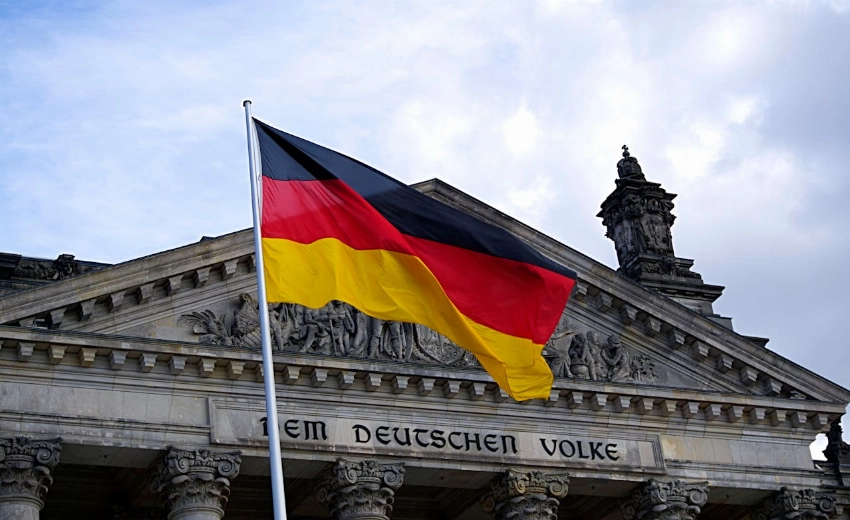
The investment visa in Germany refers to the residence permit granted under the German Residence Act of Section 21 (Aufenthaltsgesetz). It enables non-EU citizens to work in Germany by staying in the country and setting up and operating a business.
This visa is not a Golden Visa:
-
It is a self-employment residential permit
-
It is important to understand how Germany defines investment immigration before delving into the specifics
The most important Investment Visa features:
Germany does not use a price tag to evaluate the visa, as it depends on the economic impact.
The principal characteristics are:
-
Self-employment residence permit
-
Active business participation is compulsory
-
Job creation requirement
-
German Chamber of Commerce Approval
Instead, the U.S. is offering them a pathway to permanent residence and citizenship.
Why Choose Germany for Investment Immigration in 2026?
It is the year 2026, and Germany is the economic anchor of Europe:
-
It is a mixture of stability, opportunity, and good governance
-
Investors seek security and growth before making any investment destination
-
Germany delivers both
Europe’s Largest Economy
Germany boasts the best economy in Europe.
It offers:
-
A GDP exceeding €4 trillion
-
Reach 450+ million EU customers
-
Vigorous export-based industries
Location Strategic Business
Germany is located in the centre of Europe.
This location provides:
-
Easy access to EU markets
-
Global logistics and infrastructural facilities
-
Large foreign airports and ports
High Quality of Life
Germany has always been high on the list of countries in terms of living standards.
Residents benefit from:
-
Universal healthcare
-
Strong social security
-
Excellent public transport
-
Safe cities
Efficient Residency and Citizenship Pathway
Germany has one of the fastest routes in Europe.
Key timelines include:
-
3 years of permanent residence
-
Citizenship in 5–8 years
-
The right to dual citizenship will be allowed as early as 2024
Also Read: Work Abroad: Secure a Job Seeker Visa for Germany
What are the Latest Germany Investment Visa Requirements in 2026 for Indians?
Germany investment visa requirements are arranged and loose. Governments are concerned with business sustainability and economic profitability.
Below is a clear breakdown of Germany's investment visa requirements:
1. Requirements for Eligibility
Applicants should meet all significant eligibility requirements.
These include:
-
Non-EU citizenship
-
Age 18 or above
-
Applicable business or industry experience
-
Practical and feasible business plan
-
Ability to finance the business
2. Business Plan Requirement
The most significant document is a business plan.
It must demonstrate:
-
German interest in economics
-
Market demand
-
Sustainability
-
Job creation potential
3. Investment Amount Requirement
The minimum investment required is 1 million dirhams. Germany does not specify a minimum requirement. Nevertheless, there exist practical limits.
In successful applications, most are indicated to have:
-
€360,000 or more in capital
-
Regional range of €250,000–€500,000
-
Finances are spent on operations and recruitment
4. Job Creation Requirement
Creation of employment is obligatory.
In most cases:
-
Minimum 5 full-time jobs
-
Permanent positions
-
Registered on Social Security
Who is Eligible for the Current Germany Investment Visa?
The eligibility is based on the strength of the profile. Germany does not favour speculative investors but will favour experienced operators.
Eligible Profiles
The applicants normally qualify as follows:
-
Entrepreneurs and founders
-
European expansion by business owners
-
Managing high net worth individuals. Experienced managers
-
Experts in the industry
Who Is Not Eligible
Not all of the profiles will be successful.
These include:
-
Passive real estate buyers
-
Others who lack experience in business
-
Completely speculative business concepts
-
Badly financed projects
How Much Do I Need to Invest in Germany in 2026?
The German government has no official minimum capital requirement for the investment visa in Germany.
-
Rather, governments evaluate each application based on its economic contribution and sustainability
-
Practically, the bulk of successful candidates spend approximately 360,000
-
This value indicates the financial resources needed to establish, run, and grow a company
-
The expectations of the investments are regional and sectoral
-
With €250,000, it may work in smaller cities or service-based businesses
Ventures that might need the money would be manufacturing, technology,y or metro-based ventures and would demand between €400,000 and €500,000.
How Many Latest Jobs Must I Create?
The investment visa in Germany is a requirement to create jobs. Governments want companies to make a significant contribution to the employment sector.
The standard requirement is:
-
At least 5 permanent full-time positions
-
These positions have to meet stringent requirements
-
The employees should be under formal employment contracts
-
Jobs must be enrolled with the German social security
-
Contractors or freelancers do not apply
-
The anticipated recruitment plan is well spelt out
-
Employments tend to be made in the first 2-3 years of operation
-
Employers can be asked to submit regular reports on employee progress
-
Flexibility is allowed on rare occasions
-
The businesses that are highly innovative or technology-oriented
-
Projects that have high capital expenditure
-
Projects were on regional economic priorities
What Current Documents are Required for Germany Investment Visa Application in 2026?
The documents for investment visa in Germany should be precise, fully translated, and complete. Governments are meticulous.
1. Personal Identification Documents
The applicants are required to provide identification documents.
These include:
-
Valid passport
-
Biometric photographs
-
Birth certificate
-
Marriage certificate (where necessary)
2. Financial Documentation
Proof of funds is critical.
Required documents include:
-
Bank statements (6 months)
-
Source of funds proof
-
Net worth statement
-
Tax returns
3. Business-Related Documents
The most weight is put on business documentation.
These include:
-
Extensive business plan
-
Financial forecasts (3-5 years)
-
Job creation plan
-
Professional CV
-
Chamber of Commerce sanction
4. Legal and Compliance Documents
There should also be compliance by the applicants.
Documents include:
-
Police clearance certificates
-
Health insurance proof
-
Accommodation proof
-
Retirement plan (if over 45)
How Do I Apply for the Latest Investment Visa in Germany in 2026?
Investment visa in Germany is a sequential and structured process. Time wastage occurs through omissions.
Step 1: Develop Your Comprehensive Business Plan
This is what the application is based on.
The plan must include:
-
Market analysis
-
Financial forecasts
-
Operational structure
-
Employment timeline
Step 2: Secure Chamber of Commerce Approval
The business plan is checked on the regional level.
Evaluation focuses on:
-
Economic benefit
-
Job creation
-
Regional relevance
Step 3: Gather Required Documents
Preparation of all documents should be done with care.
Key actions include:
-
Certified translations
-
Apostille where required
-
Financial verification
Step 4: Submit Visa Application
Applications are submitted to the German embassy.
This step includes:
-
Visa form submission
-
Biometric data
-
Fee payment
Step 5: Attend Visa Interview
The applicants should be able to describe their business.
Characteristics of focus in interviews normally include:
-
Business feasibility
-
Funding sources
-
Personal involvement
Step 6: Wait for Visa Processing
Processing times for an investment visa in Germany vary.
- Typical duration is 6–12 weeks
Step 7: Receive Residence Permit and Enter Germany
On approval, applicants have to:
-
Register address (Anmeldung)
-
Register company
-
Begin operations
What is the Current Difference Between the Investment Visa and the Entrepreneur Visa in Germany?
The entrepreneur visa and investment visa are often confused, as both are under the same section of the German Residence Act 21. They, however, are aimed at varying business profiles and investment scales. In plain terms, the investment visa is aimed at larger, employment-generating ventures, whereas the entrepreneur visa is aimed at a smaller business based on personal self-employment.
Key Legal Distinction
-
The two visas are granted under Section 21 of the Aufenthaltsgesetz, although there are different evaluation criteria. An investment visa is economically oriented and job-oriented
-
An entrepreneur visa is concerned with self-employment
Differences in Capital and Business Size
The investment expectations differ:
-
Investment Visa: The minimum investment required is 250,000 to 360,000 and above
-
Entrepreneur Visa: Less capital, usually less than 200,000
Job Creation Obligations
One of the characteristics is employment:
-
Investment Visa: 5 full-time jobs projected
-
Entrepreneur Visa: No obligatory position creation
Processing and Approval Standard
The authorities vary in the evaluation of applications:
-
Investment Visa: Chamber of Commerce prioritises regional economic gain
-
Entrepreneur Visa: Priority on individual income sustainability
Also Read: How to Apply for Jobs in Germany? Step-by-Step Guide
Investment Visa vs Entrepreneur Visa: Comparison Table
The table below clearly highlights the core differences:
|
Criteria |
Investment Visa in Germany |
Entrepreneur Visa in Germany |
|
Legal basis |
Section 21 Residence Act |
Section 21 Residence Act |
|
Minimum capital |
€2,50,000- €3,60,000+ |
Lower, case-dependent |
|
Job creation |
Mandatory (5+ jobs) |
Not mandatory |
|
Business scale |
Medium to large |
Small to medium |
|
Economic impact |
High priority |
Moderate priority |
|
Chamber of Commerce role |
Critical approval factor |
Limited involvement |
|
Processing complexity |
High |
Moderate |
|
Personal involvement |
Active management required |
Full self-employment |
|
Permanent residency |
After 3 years |
After 3–5 years |
|
Ideal applicant |
Investors & founders |
Freelancers and solo founders |
What is Germany's Startup Visa in 2026?
Another special program is the Startup Visa, which is a specialised program in the Residence Act, Section 21(2a). It differs from the investment visa in Germany. This visa is targeted at innovation-based founders.
Major attributes are:
-
Developed with tech and innovation start-ups in mind
-
Frequently backed by incubators or accelerators
-
Reduced capital emphasis
-
High emphasis on innovation and scalability
-
Rapid processing in the chosen areas
What are the Latest Benefits of Germany's Investment Visa for Indians?
There is a broad range of benefits with the investment visa in Germany. These are not limited to residency.
1. Residency and Travel Rights
There is freedom of movement amongst the visa holders.
Key benefits include:
-
Legal residence in Germany
-
Transportation between 26 countries
-
No individual work permit needed
2. Family Reunification Benefits
The inclusion of family is simple.
Family members receive:
-
Residence permits
-
Work rights for spouses
-
Children's access to education
3. Permanent Residency Pathway
Security is provided by permanent residence.
Benefits include:
-
No renewals
-
Unlimited stay
-
Full labour market access
4. Citizenship Eligibility
EU-wide rights are granted to German citizens.
Citizens enjoy:
-
Free travel to 190+ countries
-
Political rights
-
EU freedom of movement
5. Business and Economic Advantages
The investment visa to Germany offers direct entry into one of the strongest business environments in the world. Germany is not merely a market; it is an entry point to Europe.
As an investor/ entrepreneur, the following advantages are in your favour:
-
Access to the European single market, which has more than 450 million consumers
-
Key location to expand in EU countries
-
Solid legal and regulatory structure in favour of investors and businesses
-
Very qualified manpower, well-trained in vocational and technical skills
-
Ecosystem based on innovation and R&D grants, startup funds, and subsidies
-
Effective business support facilities, such as chambers of commerce, trade organisations, and export agencies
6. World-Class Education and Healthcare
Germany has a superior social infrastructure, thus suitable for families moving on the investment visa in Germany. The advantages enjoyed by residents go well beyond business opportunities.
Key advantages include:
-
Free or subsidised higher education in state universities, including for foreign students
-
English language and international schools in big cities
-
Public or private insurance for universal healthcare
-
Qualified medical services with suitable facilities and experts
-
Full social security benefits, pensions, and child support
How Long Does the Current Germany Investment Visa Processing Take?
When it is well prepared, timelines can be predicted.
Processing Timeline Breakdown
The process usually takes:
-
Business Plan: 4–8 weeks
-
Chamber Approval: 4–6 weeks
-
Embassy Processing: 6–12 weeks
-
Total Time: 4–6 months
What are the Factors that Affect Processing Speed in 2026?
Speed is determined by several factors.
These include:
-
Business complexity
-
Embassy workload
-
Document completeness
-
Regional Chamber response
2026 Digital Processing Improvements
The nationwide digitalisation of investment visa processing has been a significant modernisation in Germany, introduced in 2025. The purpose of the changes is to decrease the delays and enhance transparency.
Key improvements include:
-
Online filing system and payment of documents through the digital Residence Portal
-
The regional approvals process has become quicker, with the majority of decisions taking less than 6 weeks
-
Real-time application status tracking online
-
Less paperwork, less frequent physical submissions
-
Digital review of the Chamber of Commerce, accelerating economic evaluations
What Happens After My Latest Investment Visa is Approved?
Upon approval, you get a starting residence permit of 13 years. You have to register locally within 2 weeks of arrival, open your business, fulfil job creation requirements, keep everything in order, and qualify for permanent residence after 3 years of successful operation.
Initial Entry and Registration
After getting your visa, you need to take urgent administrative measures:
-
Visit Germany with your official visa
-
Within 14 days, register your address at the Bürgeramt (Anmeldung)
-
Register your rental contract and passport
-
Get your tax identification number
-
Open a German bank account
-
Take out your residence permit card from the local immigration office
Business Activation Requirements
Your business has to be started shortly upon arrival:
-
Incorporate the company in the Handelsregister
-
Obtain licenses for business
-
Full tax registration and receive a VAT number
-
Enrol with Social Security agents
-
Recruit employees and process employment registrations
-
Obtain and install licensed business premises
-
The majority of the authorities assume active operations in the first 3-6 months
Ongoing Compliance Obligations
The eligibility for renewal and permanent residency depends on compliance.
-
Meet job creation obligations within acceptable schedules
-
Make frequent reports of business performance
-
Ensure compliance and filing of taxes
-
Adhere to in-person physical presence (at least 6 months annually)
-
Economic contribution, contracts, and document revenue
-
Have quality health cover and income security
Residence Permit Renewal
Your first permission to live is not permanent.
-
Validity: 1–3 years
Request renewal at least 3 months in advance
Renewal is based on:
-
Business sustainability
-
Job creation progress
-
Predictable revenue and payment
-
Provide revised financials, contracts, and employment documents
-
Successful renewals will bring you closer to permanent residence
Path to Permanent Residency
One of the quickest PR routes in Europe is in Germany. Eligibility for 3 years of successful operation in business.
Requirements include:
-
Sustainable corporate performance
-
Earned income and economic security
-
Health insurance coverage
-
A2-level proficiency in the German language
-
Request the Niederlassungserlaubnis (Settlement Permit)
-
Permanent residency gets rid of renewals and offers long-term protection
What are the Current Common Mistakes to Avoid when Applying?
Eliminating errors significantly increases the chances of approval.
1. Business Plan Errors
The frequent errors concerning the plan are:
-
Unrealistic projections
-
Generic market analysis
-
Weak job creation logic
2. Financial Documentation Mistakes
Any mistake in finance is usually fatal.
These include:
-
Unclear source of funds
-
Covering up capital requirements
-
Missing tax records
3. Application Timing Issues
Poor timing causes delays.
Typical issues include:
-
Pre-approval of the application to the Chamber
-
Document expiry
-
Rushed submissions
4. Job Creation Planning Failures
One of the most common reasons for rejection of an investment visa in Germany is poor job-creation planning. The employability plans are scrutinised by the authorities on their feasibility, legality, and economic rationality.
Key mistakes include:
-
Failing to project the cost of creating jobs and paying the salaries, taxes, and social security contributions
-
Impractical recruitment schedules that are not in line with revenue estimates
-
Poor knowledge of German labour laws, particularly employment contract and wage laws
-
Deficiency in the justification of the need for 5 full-time positions in the business model
-
The absence of an employee retention strategy raises questions about long-term sustainability
Also Read: Germany EU Blue Card Visa
How Much Does the Latest Germany Investment Visa Cost in 2026 for Indians?
The expenses are not limited to investment capital. It is recommended that applicants be realistic in their budgets.
Estimated Cost Breakdown
Major costs include:
-
Business Investment: €360,000+
-
Visa Fees: €75–€150
-
Business Plan: €1,500–€5,000
-
Legal and Consulting: €2,000–€10,000
Living expenses buffer
Investment Capital Costs
A headline figure is not enough to make your investment visa budget. German authorities consider not only the amount of capital invested but also its distribution.
Key cost components include:
-
Minimum investment requirement is €360,000
-
Minimum investment is €250,000-€500,000 (depending on sector and location)
-
Day-to-day operations working capital
-
Budget for job creation in terms of salaries and social security
-
Purchases of equipment and assets
-
Commercial premises or real estate
Application and Processing Fees
These are the compulsory government and processing-related fees:
-
German Visa Application Fee: €75–€150
-
VFS Global Service Charge (Where Required): €30-50
-
Residence Permit Card Fee: €100–€110
-
Chamber of Commerce Appraisal Cost: Depends on the area
Professional Service Costs
Approval may often require professional assistance:
-
Business Plan Development: €1,500–€5,000
-
Consultation of Immigration Lawyers: 150-300 / hour
-
Business Consultant Services: €2,000-€10,000
-
Financial Advisory and Accounting: €1,000-€3,000
-
Translation Services: €500–€2,000
-
Document Certification/ Apostille: €200-500
Business Setup Expenses
These are the establishment costs that are in one time use:
-
Company Registration Fees: €500–€1,500
-
Business Licenses and Permits: €100-€1,000
-
First Marketing and Branding: €2000-€5000
-
Legal Entity Formation: €1,000–€2,500
-
Office Setup and Equipment: €5,000–€15,000
-
Business Insurance: $1,000–$3,000 per year
Living Expenses During Setup
Personal economic well-being is also determined:
-
Accommodation: €1,000–€2,500 per month
-
Health Insurance: €300–€800 per month
-
General Living Costs: 1,500-3,000 Euros per month
-
Buffer Suggested: 6 to 12 months of living expenses
Any extra costs of relocating the family (not included in the salary).
Can My Family Join Me on a Current Investment Visa in 2026?
Yes. You can be accompanied by your spouse and dependent children (below 18). They are given dependent residence permits, your spouse is given the full working authority, and your family has access to German education and health care.
Who Qualifies as a Family Member?
Germany has definite provisions in the family reunification rules:
-
Legally married spouse
-
Dependent children under 18 years old
-
Registered life partner (according to German Law)
-
Special cases: Case-by-case adult dependent children with disabilities
The necessary documents normally are:
-
Marriage certificate
-
Birth certificates
-
Passports and legal translations/apostilles
What Rights Do Family Members Have?
It has good residence and integration rights for family members:
-
Dependent visas are issued for the same period as your visa
-
Unlimited employment of spouse (not sponsored by employer)
-
Public access to universities and schools
-
Public or privatised insurance coverage
-
Learning to integrate and master the German language
-
Skills to move on to independent residence permission
-
Eligibility for citizenship with regular residence qualifications
How to Apply for Family Reunification
You are allowed to do so jointly or upon arrival:
-
Preferred choice via simultaneous application
-
Application of the file through the primary investment visa
-
More expedited processing and fewer procedures
Reunification later (to be used in case of arrival):
-
Send family reunion applications individually
Common requirements:
-
Marriage and birth certificate
-
Valid passports
-
Evidence of having proper housing for the family
-
Evidence of adequate incomes/funds
-
Medical coverage of the whole family
Processing time: Time is usually the same as the main application when submitted together.
What is the Tax Situation for Investment Visa Holders in 2026?
After 183 days a year of stay in Germany, investment visa holders acquire the status of a German tax resident. They pay personal income tax (progressive) 14 per cent-45 per cent, corporate tax (combined) approximately 30 per cent, and VAT 19 per cent (standard), although tax treaties and business deductions relieve them.
Tax Residency and Obligations
Tax residency and obligations of investment visa in Germany:
-
Trigger Tax Residence: 183 days and above in Germany every year
-
Residents: Tax on global income
-
Non-Residents: It is only taxed on German-source income
-
Registration: Steuer-ID (tax ID) obtained
-
Returns: Annual is required (dates vary)
Personal Income Tax Rates
Germany is based on a progressive system:
-
Progressive Tax System: 14% to 45%
-
Solidarity Surcharge: 5.5 per cent on the amount of taxes (high earners)
-
Basic Tax-Free Allowance: €11,604 (2026)
-
Brackets: Calculation of tax
-
Church Tax: (8-9% if applicable)
-
Trade Tax (Gewerbesteuer): 7-17% depending on the community
Corporate and Business Taxation
Corporate and business taxes are:
-
Corporate Income Taxes: 15% (federal)
-
Solidarity Surcharge: 0.83% (on corporate tax)
-
Trade Tax: 7–17% (by municipality)
-
Effective Combined Rate: 30%
-
VAT: 19% standard, 7% reduced
-
Deductions: Rent, equipment, depreciation, professional fees, and salaries
Tax Treaties and International Considerations
More than 90 tax treaties exist to prevent double taxation:
-
Available foreign tax credits
-
Foreign assets/account reporting needed
-
The benefits of the India-Germany treaties apply in relevant cases
-
An exit tax may apply in the case of relocation or restructuring
Which Latest German Cities are Best for Investment Visa Applicants?
Berlin, Munich, Frankfurt, Hamburg, and Stuttgart are top choices—each offers distinct industry strengths, cost profiles, and Chamber of Commerce approval tendencies.
|
City |
Core Strengths |
Avg Monthly Costs (EUR) |
Avg Monthly Costs (INR) |
Chamber Outlook |
|
Berlin |
Startups, tech, fintech |
€1,500–€2,500 |
1,35,000- 2,25,000 |
Innovation-friendly |
|
Munich |
Automotive, engineering |
€2,000–€3,500 |
1,80,000- 3,15,000 |
Very high standards |
|
Frankfurt |
Finance, banking |
€1,800–€3,000 |
1,62,000- 2,70,000 |
Business-friendly |
|
Hamburg |
Logistics, trade |
€1,600–€2,800 |
1,44,000- 2,52,000 |
Export-oriented |
|
Stuttgart |
Engineering, manufacturing |
€1,700–€2,900 |
1,53,000- 2,61,000 |
Conservative, capital-heavy |
Berlin: Startup and Technology Hub
Berlin offers:
-
Well-developed startup culture; English spoken
-
Rates are cheaper than in Munich/Frankfurt
-
Positive feedback on new models
Munich: Technology and Automotive Centre
Munich has:
-
Richest city; the best quality of life
-
Premium prices; competitive endorsements
Frankfurt: Financial Capital
Frankfur gives:
-
The financial centre of Europe, the world's connectivity
-
High demand for business services
Hamburg: Logistics and Trade Hub
Hamburg offers:
-
Seaport: An economy based on exports
-
Equal expenses; high habitation
Stuttgart: Engineering and Manufacturing
Stuttgart has:
-
Mittelstand giant; Research and development
-
Traditional models favored
How Does Germany's Latest Investment Visa Compare to Other EU Programs?
An investment visa in Germany demands business management and creation of jobs (approximately 360,000 and 5 jobs) as opposed to passive real estate-oriented schemes in Portugal or Greece. Germany, in its turn,n provides quicker permanent residency (3 years) and entry to the most robust economy within the European Union, though most ofthe other EU programs require 5-7 years to achieve the same.
Key Differences at a Glance:
-
Germany: Vibrant business + job creation
-
Passive Real Estate or Fund Investment: Portugal / Spain / Greece
-
Speed of Residency: Germany has a faster one; other countries are more flexibility-conscious
-
Economic Power: Germany is in the lead as the most stable, with the highest number of jobs, and on the largest scale
Also Read: Say Guten Tag with Germany Tourist Visa
Germany vs Portugal Golden Visa
Germany and Portugal differences are:
-
Portugal Investment: 500,000 Euros (real estate or funds)
-
Model: Passive vs The active business requirement in Germany
-
Stay Requirement: Portugal: 714 days/year vs. Germany: -6 months
-
Citizenship: Portugal 5 years; Germany 5-8 years
-
Program Perspective: Portugal under pressure of reform
-
Assets Germany: Better economy and employment
Germany vs Spain Golden Visa
Germany and Spain differ in:
-
Spain Investment: 500,000 in real estate
-
Hypothesis: Passive investment vs active business in Germany
-
Stay Requirement: No maintenance of the visa requirements in Spain
-
Citizenship: Spain, 10 years, Germany, 5-8 years
-
Lifestyle: Spain enjoys climate advantages; Germany benefits economically
Germany vs Greece Golden Visa
Germany and Greece are different in:
-
Greece Investment: 2,50,000 (increasing to 500000 in prime locations)
-
Model: Passive real estate vs German business operation
-
Stay Requirement: Non-existent in Greece
-
Citizenship: Greece 7 years versus Germany 5-8 years
-
Comparison in Terms of Economy: Germany has much better employment and business opportunities
Germany vs Malta Residency Program
Germany and Malta differences are:
-
Malta Requirement: Approx.€97,000 contribution/property
-
Economy Size: Small vs large diversified economy of Germany
-
Stay Requirement: None in Malta
-
Citizenship: Malta is separately naturalized
-
Tax Regime: Malta has friendly taxation regulations; in Germany, there is size and permanence
Comparison Table: Major EU Investment Programs
|
Country |
Investment Amount |
Investment Type |
Job Creation |
StayRequirementt |
PR Timeline |
Citizenship Timeline |
Key Advantage |
Key Limitation |
|
Germany |
€360,000 |
Active business |
Yes (5 jobs) |
6 months/year |
3 years |
5–8 years |
Strongest EU economy |
Active management |
|
Portugal |
€500,000 |
Passive |
No |
7-14 days/ year |
5 years |
5 years |
Flexibility |
Program reforms |
|
Spain |
€500,000 |
Passive |
No |
None |
5 years |
10 years |
Lifestyle |
Long citizenship |
|
Greece |
€250k–€500k |
Passive |
No |
None |
5 years |
7 years |
Low entry cost |
Smaller economy |
|
Malta |
€97,000+ |
Contribution + property |
No |
None |
Case- based |
Separate route |
Tax benefits |
Limited scale |
What is the Latest Success Rate for Germany Investment Visa Applications in 2026?
The official approval rates in Germany are not released, but according to the immigration professionals, the rate of well-first-prepared applications with a good business plan, enough funds, and a positive evaluation of the Chamber of Commerce is estimated between 60 and 75%. Unrealistic business projections or being unable to demonstrate da efinite economic benefit are the cause of most rejections.
Overall Approval Outlook (2025–2026):
-
Properly-Laid Applications: 60-75 per cent success
-
Professional Supported Cases: Increased consistency of approvals
-
Geographical Difference: The regions that are open to innovation (e.g., Berlin) are more likely to be open than the ones that are capital-oriented (e.g., Munich, Stuttgart)
Current 8 Key Factors That Increase Approval Chances
Applications are considered in their entirety. The following factors are substantial to enhance results:
-
Realistic business plan exhaustively supported by strong market research
-
Total financial capacity of over (360,000) and clear fund sources
-
Easy hiring plan with a workable job creation plan
-
Applicant must have the relevant business experience and qualifications
-
Firm Chamber of Commerce support
-
Legal, financial, translations, professionally prepared documentation
-
100 per cent and reliable usage
-
Regional economic advantage, not profitability
Latest Common Reasons for Germany Visa Rejection
The majority of the refusals are based on weaknesses that can be avoided:
-
Unrealistic or generic business plans
-
The lack of economic gain or job creation
-
Lack of sufficient capital or a source of funds
-
Absence of the pertinent industry or management experience
-
Negative Chamber of Commerce Analysis
-
Improper or incomplete documentation
-
Criminal history, security issues, or immigration history
How to Maximise Your Approval Chances in 2026?
Strategic planning has a huge effect on success:
-
Professional business plan development
-
Hire an immigration attorney at the beginning
-
Conduct extensive market research on the selected German market
-
Obtain powerful Chamber of Commerce endorsement
-
Get financial statements ready, in writing
-
Point out your business history and experience
-
Align the business model with the region's economic priorities
-
Be ready to be interviewed or to have questions clarified
-
Additional document requests should be built in as buffer time
How Can TerraTern Help With an Investment Visa Germany in 2026?
TerraTern has end-to-end services.
Our services include:
-
German compliance in business plan development
-
Chamber of Commerce coordination
-
Visa processing and administration
-
Post-arrival business establishment advice
-
Continued compliance support
We are concerned with approval, and not with guesswork.
Conclusion: Is Germany's Investment Visa Right for You?
An investment visa is the preferred option for serious entrepreneurs in Germany seeking long-term residence in Europe by owning real businesses, rather than as a passive investor. Should you have the capital, experience, and desire to establish an active business that is sustainable, job-creating, and capable of being part of the wealthiest economy in Europe, Germany presents one of the most understandable, quickest, and most acceptable routes towards permanent residence and EU citizenship.
Nonetheless, it requires preparation, adherence,e and actual contribution to the economy; hence, it is ideal for founders and business owners who are committed to strategic, professional, and long-term engagement.
Contact TerraTern for more information on an investment visa in Germany.




 AI Summary