Key Highlights
- How do I Get a Job in Germany as a Non-EU Citizen in 2026?
- What is the 2026 Job Market in Germany like for Non-EU Citizens?
- What 2026 Industry Facts Should Non-EU Job Seekers Know?
- How Can a Non-EU Citizen Choose the Right Pathway to Work in Germany in 2026?
- When Should a Non-EU Citizen Choose the Job Seeker Visa for Germany in 2026?
- How does the German Opportunity Card Help Non-EU Citizens Get a Job in 2026?
- What are the Eligibility Criteria for Non-EU Citizens to Work in Germany in 2026?
- How Can I Search and Apply for Jobs in Germany from India as a Non-EU Citizen in 2026?
- How do Non-EU Citizens Apply for a German Work Visa from India in 2026?
- What Challenges do Non-EU Citizens Face When Trying to Get a Job in Germany, and How Can They Overcome Them?
- How can TerraTern Help Non-EU Citizens, Especially Indians, Get a Job in Germany?
- What is a Realistic Timeline for a Non-EU Citizen in India to Get a Job in Germany?
- Conclusion
How do I get a job in Germany as a non-EU citizen? Germany provides non-EU citizens a smooth process to work in 2026 under the Skilled Immigration Act, the EU Blue Card of highly skilled professionals (need degree, employment offer with a minimum payment of 50,700 or 45,630 in shortages such as IT/healthcare) and the Opportunity Card ( Chancenkarte ) of skilled job applicants (6 points or higher in qualifications, experience, under 35 years old, A1 German/B2 English, 13,092 finances), as well Reforms simplify the access by accept partially qualified, entry into the job search without an invitation, and expedite the residence to PR (21-33 months with B1 German). Indians use embassies/VFS with APS-accepted degrees, language degrees, and insurance, aiming at sponsorship through the Make it in Germany portals.
How do I Get a Job in Germany as a Non-EU Citizen in 2026?

-
Assess your Qualifications: make sure that you possess a known degree, vocational training (2 years or more), or 5 years of experience; check APS certificate with Indian degrees and Anabin database with equivalency.
-
Learn German/English: Czechs with an A1 German or B2 English minimum points-based visa, such as an Opportunity Card; coursework at the Goethe-Institut assists.
-
Jobs Portals: Make it in Germany, StepStone, LinkedIn, Xing, EURES, search by shortages (IT, engineering, healthcare, nursing); network using fairs and alumni.
-
Visa Option: Opportunity Card (6 or above points, no employment, 1 year job search, €13,092 funds), or Job Seeker (German graduates, 6-18 months); EU Blue Card/Skilled Visa requires a job offer and then.
-
Find Employment Opportunity (when necessary): Adapt German-type resume/ cover letter; interview; employer facilitates Federal Employment Agency certification.
-
Apply for a visa: Prepare documents (passport, documents, insurance, blocked account); reserve embassy/VFS appointment in India; pay 75 euros; 4-6 weeks.
-
Enter and Settle: Arrive, obtain residence permit at Auslaenderbehoehde, open bank account; convert to work permit when there is a job; PR can be obtained after 21-33 months with B1 German.
Expert Takeaway: The fastest way to Germany is aligning your profile with a shortage occupation and choosing the visa route that fits your current situation instead of randomly applying everywhere.
What is the 2026 Job Market in Germany like for Non-EU Citizens?
The job market in Germany continues to favour non-EU citizens as there is still a labour shortage and approximately 800,000 positions available in 2026, which is caused by an ageing population and a low unemployment rate of 3.4%. The Skilled Immigration Act reforms increase access through the EU Blue Card reduced shortage threshold (€45,934) in high-tech, IT, health, and engineering sectors, and offer an Opportunity Card to job applicants.
Demand Sectors
High opportunities are aimed at shortages of skills:
-
IT/Tech: more than 100,000 jobs; English is frequently all one needs, Berlin/Munich startups work all around the world.
-
Healthcare/Engineering: Nurses, electricians, dentists, vocational training was faster known.
-
Trades/Logistics: 400,000 or more skilled workers are wanted each year; Ausbildung entry-level.
Challenges
Non-EU is experiencing challenges, but through relaxed policies.
-
Dependency fee, Visa/job offer reliefs through Chancenkarte (1-year search).The
-
The German language increases competitiveness; English is feasible in multinationals.
-
EU but India-sourced talent competition in terms of shortages.
Opportunities
New tools aid entry.
-
Work and Stay agency introduces 2026 as a visa/job matching agency.
-
90,000+ permanent migrants per annum; GDP growth justifies employment.
-
There is a minimum wage of 12.41/hour; PR tracks speed up retention.
Expert Takeaway: Targeting verified shortage sectors dramatically increases your chances of getting interviews and visas approved as a non-EU candidate.
What 2026 Industry Facts Should Non-EU Job Seekers Know?
The employment market in Germany is more attractive to non-EU skilled employees in the face of ongoing labour deficits of over 600,000 jobs, especially in shortage occupations that are subject to reduced visa requirements, such as the EU Blue Card (minimum salary of €45,934). How do I get a job in Germany as a non-EU citizen? Overall, hiring is slowing down because of a flat GDP growth (about 1.2%), but the organised hiring processes have shifted focus towards experience over volume hiring, and tech, healthcare, and trades are in demand.
Top Demand Sectors
Sponsorship and Opportunity Card points here.
-
IT/Software: 75,000 and more vacancies for developers, AI experts, cybersecurity; English frequently enough, headquarters in Berlin/Munich.
-
Healthcare: 40,000+ nurses, aids, dentists; not going down with ageing population.
-
Engineering/Trades: Mechanical/electrical engineers (28,000+), construction, logistics; vocational skills fast-tracked.
Hiring Trends
The shortages and readiness are stressed by employers.
-
Less fast but more selective recruiting; AI technology will search through experienced agile, cloud/DevOps capabilities.
-
At the hybrid/remote competitive level, wage increases are small (3-5%) and open through platforms.
-
Non-EU was given precedence through 90,000 slots after a year; language (A1 German) enhances competitiveness.
Key Challenges
Prepare strategically.
-
Polarised Market: The increase in controlled/scarcity roles, stress in other areas.
-
Blue-collar Boom: 600,000+ in construction/logistics/care of 2+ year trained workers.
-
Work Agency: Launches Work Agency matching Make it in Germany listing.
Expert Takeaway: Referencing up-to-date 2026 immigration rules in your planning avoids choosing an outdated pathway or missing easier options like the Opportunity Card.
Also Read: German Embassy Bangalore: Services, Appointments & More
How Can a Non-EU Citizen Choose the Right Pathway to Work in Germany in 2026?
In 2026, the best Germany work pathway options are chosen by non-EU citizens who match the qualifications, employment status, language skills, and financial requirements with the Skilled Immigration Act choices, such as EU Blue Card, Opportunity Card, or Skilled Worker Visa. How do I get a job in Germany as a non-EU citizen through the following Pathways and requirements can help you secure a job as a non-EU.
|
Pathway |
Key Requirements |
Ideal Profile |
Processing Time |
Path to PR |
|
EU Blue Card |
Degree + employment opportunity ≥€45,934 (skills needed in short: IT, engineering, health) |
Qualified executives of high calibre are available. |
1-3 months |
21 months (B1 German) |
|
Opportunity Card (Chancenkarte) |
degree/exp/age<35/A1 German/B2 English 6+ points + €13,092 finances; no offer required. |
Part-time work + 1-year stay under-1 year jobs demand. |
2-4 months |
Via job conversion |
|
Skilled Worker Visa |
Vocational training of 2 or more years and a corresponding job opportunity will earn at least 45,934. |
Trades/vocational (nurses, electricians, Ausbildung grads) |
1-4 months |
33 months (basic German) |
|
Job Seeker Visa |
Degree + finances; substituted partially by Opportunity Card on non-grads. |
Professionals Testing market (6-18 months search) |
2-4 months |
Must secure a job |
Choosing Tips
-
Apply Make it in Germany Quick Check to check eligibility; shortage occupations should be given priority so as to be approved within a short period.
-
Indians: APS certificate. First, find target consultancies mocks-as-needed.
-
No offer? Take Opportunity Card; have an offer? Blue Card for the quickest PR.
Expert Takeaway: Deciding your pathway first saves months—randomly applying without a visa strategy leads to rejections and wasted time.
When is the German Work Visa or EU Blue Card the Best Option?
The 2026 profile suits the profile of an on-EU worker in Germany, with the Blue Card being the best fit with the high earners, and this standard work visa is flexible.
When does the EU Blue Card Excel?
-
You have a university degree (or 3 or more years of IT experience) and get an employment opportunity with a salary of 50,700 gross per year (45,934 in shortages such as IT/healthcare).
-
Fastest PR (21 months B1 German, no B18 months); family reunification as soon as possible.
-
Going international (EU-wide) once in 18 months; optimal among engineers, Berlin/Munich doctors.
When is a Standard Work Visa Is More Apposite?
-
Education qualification is vocational (2+ years Ausbildung/training), non-degree; work equals skills >= 45,934.
-
No offer of a high salary as yet, but the employer sponsors in trades/nursing; more flexible access.
-
Smaller salary levels in non-shortage areas; freshers from Opportunity Card.
Decision Factors
-
Blue Card priority: Occupations of shortage, salary evidence available, fastest among professionals.
-
Fallback Work Visa: Bigger skills recognition, no degree required; PR in 33 months.
-
Test through the Make it in Germany tool; Indians value APS in both.
Expert Takeaway: If your German offer crosses the EU Blue Card salary threshold, this route is usually the most powerful for long-term settlement.
When Should a Non-EU Citizen Choose the Job Seeker Visa for Germany in 2026?
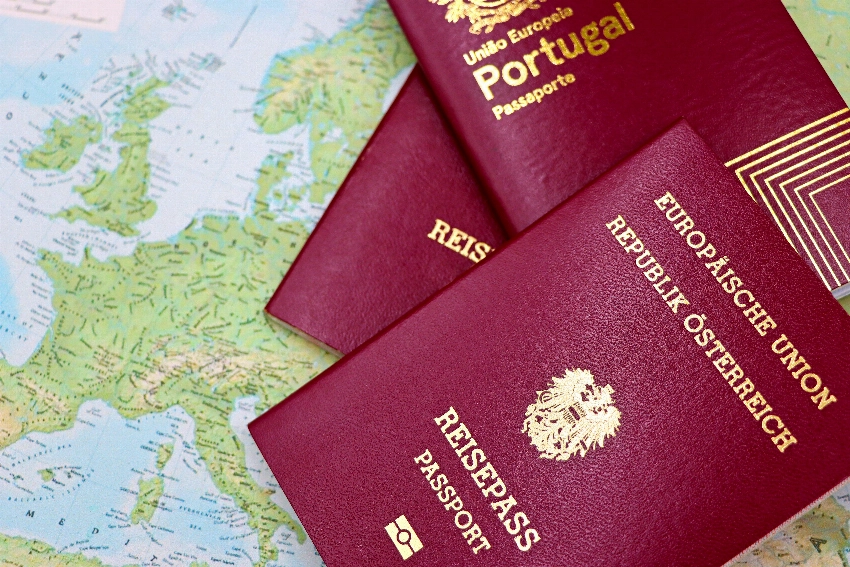
How do I get a job in Germany as a non-EU citizen? When they are well-qualified but have no job offer. Non-EU citizens are encouraged to use the Job Seeker Visa of Germany in 2026, which gives 6 months (usually 18, in certain cases) to search in situ as opposed to the job-conditioned Blue Card.
Ideal Scenarios
-
Degree from a recognised university or a similar vocational training (authenticated through Anabin/APS to the Indians), and 2-5 years of applicable experience in areas of demand such as IT, engineering, or healthcare.
-
Financially stable with evidence of 947/month (e.g., 5,682 blocked account) and health insurance, but no tangible employment agreement yet.
-
On-ground networking is better than remote applications; basic German A1/A2 enhances the possibilities but is not a requirement.
When to Avoid?
-
Already have a qualifying job offer- select EU Blue Card or Skilled Worker Visa to enter faster and receive PR (21-33 months).
-
Lack of qualification/finance divergence. Fall short on qualifications/finances, pivot to Opportunity Card (points-based, no degree minimum, 1-year stay).
-
Find occupational/trades positions without a degree- standard work visa/ Ausbildung paths are more suitable.
Application Fit
-
Indians in Srinagar/Bangalore: Use VFS/embassy after APS; STEM pro success is high in times of shortages.
-
Easily covers to work on the job; target Make it in Germany listings on stay.
Expert Takeaway: Treat the Job Seeker Visa like a full-time project—arriving without a clear plan, German CV, and target list of employers wastes this precious window.
How does the German Opportunity Card Help Non-EU Citizens Get a Job in 2026?
The Opportunity Card (Chancenkarte) of Germany allows non-EU nationals entry with no job offer for a maximum of one year to vigorously job seek, and fills the gap left by the previous conditions of contracts.
Key Job Search Benefits
-
Allows 12 months of residence on the condition of finding qualified work, professional education, or self-employment in the high-demand (IT and engineering) sector.
-
Allows part-time employment up to 20 hours/week with minimum wage, with no restriction on two-week trial jobs in total per employer, relieving income during search.
-
The points-based entry (degree, 5 years of experience, under 35 years of age, A1 German/B2 English) will only increase access at the expense of the classic visa.
Transition Advantages
-
Switches to a work visa and/or EU Blue Card effortlessly in case of obtaining a full-time specialised position as per qualification.
-
Permits qualification (as in the case of APS among Indians), on-site, and inclusion of family in case the spouse qualifies.
-
Enhances competitiveness through networking at job fairs, EURES, and making it in Germany listings during a legal stay.
Practical Edges
-
No pre-approval required by the Federal Employment Agency, as required in case of work visas; suits inspired the Indian job seekers in the case of shortages in 2026.
Expert Takeaway: For qualified Indians without a job offer, the Opportunity Card may now be the most flexible way to enter Germany and job hunt directly on the ground.
What are the Eligibility Criteria for Non-EU Citizens to Work in Germany in 2026?
The non-EU citizens fulfil the work eligibility standard of Germany of 2026 by the 2026 work eligibility pathways of the Skilled Immigration Act that demand verified qualifications, employment match, and economic sustainability.
Eligibility Criteria Table:
|
Pathway |
Qualifications |
Job/Salary Requirement |
Language/Other |
Financial Proof |
|
EU Blue Card |
College degree or 3 or more years of IT experience (Anabin/APS checked) |
Concrete offer ≥€50,700 ( €45,934 shortages: IT/healthcare) |
A1 German optional; B1 speeds PR |
Employer covers or blocked account. |
|
Skilled Worker Visa |
Vocational training 2+ + 2 yrs experience in the past 5 yrs |
Matching job ≥€45,934 or local rate |
Most: A1-A2 German, B2 regulated roles |
Health insurance + non-reliance. |
|
Opportunity Card |
Points system: degree (4pts), 5+ yrs exp (3pts), age less than 35 (2pts), A1 German/B2 English |
None (job search permitted) |
Language earns points |
€13,092 blocked account |
|
Job Seeker Visa |
B/vocational qual + 5 yrs preferred experience. |
None (6-18 mo search) |
A1 German recommended |
€5,682+ funds + insurance |
Universal Criteria
-
Correct passport (6+ mo), good criminal record, 18-67.
-
Indians require an APS certificate; use VFS/embassy.
Expert Takeaway: Meeting eligibility on paper is not enough—you must be able to prove each point with documents that match German standards.
How can Indians get Qualifications Recognised for Jobs in Germany?
To demonstrate the equivalence under the regulation of the 2026 Skilled Immigration Act, Indians seeking employment in Germany are required to have their credentials acknowledged through the APS certificate and Anabin database.
Recognition Steps
-
Check the Anabin Database First: Enter your degree (e.g., BTech, BDS) in the search box on anabin.kmk.org and search with "entspricht" (equivalent) or "gleichwertig" (comparable) status; most Indian university degrees will be listed as such, as long as they are UGC-recognised institutions.
-
Request APS Certificate: (you must use) aps-india.de (New Delhi/Mumbai/Chennai) to submit with degree/transcripts (attested): fee of €18-200; processing time of 2-4 weeks; certifies authenticity to use in visa applications.
-
Collect and Translate Documents: Round up degree, marksheets, syllabus; procure certified translations into German and English; and append proofs of work experience on vocational claims.
For Regulated Professions
-
Apply to skilled authority: In the case of doctors/nurses/engineers, apply through anerkennung-in-deutschland.de; can require exams/adaptation courses.
-
ZAB statement as required: In non-regulated employment, seek out full equivalence with ZAB by requesting Anerkennungsbescheid (zab.kassel.de), paying (2-3 months) one hundred and fifty-eight.
Tips for Indians
-
Early (3 6 months before the visa); refer to TerraTern/VFS to assist you based on your previous inquiries.
-
Ausbildung/BDS: 2+ years of training: partial Skilled Visa recognition is ok.
Expert Takeaway: Start the recognition process early; some decisions can take months and directly affect which visas and job offers you can realistically pursue.
What German and English Language Levels do non-EU Citizens Need?
In 2026, Germany's work visas require diverse levels of German or English proficiency among non-EU citizens, with most of them being minimal upon entry but increasing to PR or regulated jobs.
Minimum Levels by Pathway
-
EU Blue Card/Skilled Worker Visa: This does not have any strict requirement on the initial part (English is enough to work in IT/ multinationals); A1 is German, which is recommended (B1 will give PR approval in 21 months).
-
Opportunity Card: A1 German (1 pt) or B2 English (1 pt) will give points towards 6 minimum; enhance competitiveness.
-
Job Seeker Visa: A1/A2 German is not compulsory assists in networking.
Regulated Professions
-
Healthcare/Teaching: B2-C1 German compulsory (e.g., nurses/doctors through state exams); English infrequent.
-
Trades/Ausbildung: A2-B1 German to work in everyday life/PR directions.
PR and Long-Term
-
B1 German needed 21-33 months to settle; the integration course was frequently involved.
-
Indians: Goethe/ZKM certs accepted; start A1 early for visas like yours.
Expert Takeaway: Even in IT, basic German often separates shortlisted candidates from the rest, especially when recruiters weigh multiple foreign profiles.
How Can I Search and Apply for Jobs in Germany from India as a Non-EU Citizen in 2026?

By focusing on shortage areas, such as IT, engineering, and healthcare, on customised platforms and with German-style applications, non-EU Indians are able to search and apply to jobs in Germany remotely. How do I get a job in Germany as a non-EU citizen? The following platform helps you find jobs as a non-EU Citizen:
Job Search Platforms
-
Target these in visa-sponsoring positions.
-
Authoritative websites: Make it in Germany (job adverts and visa application), EURES (Europe-wide, non-EU filters), new 2026 matching site called Work and Stay.
-
General ones: StepStone (large companies), Indeed (general database), LinkedIn/Xing (networking, filters based on visa sponsorship).
-
English/non-EU friendly: CareerBee (language/visa filters), Arbeitnow (English jobs, sponsorship tags), EnglishJobs.de.
Application Process
-
Indian-made tailor to Germans.
-
Personalise CV (1-2 pages, photo, chronological) and Anschreiben (cover letter) in German/English; emphasise APS-qualified skills.
-
Connect through LinkedIn (connect recruiters), alumni communities; go to virtual fairs on Make it in Germany.
-
Direct application (80 per cent success through portals); contact follow-up after 2 weeks; offer to secure Blue Card/ Skilled Visa.
Pro Tips for Indians
-
Search for visa sponsorship or non-EU; study A1 German through Goethe to have an advantage.
-
Use a consultancy such as TerraTern to do the mocks; monitor using Excel for 50 and above apps/month.
Expert Takeaway: Sending fewer, highly tailored German-style applications to relevant shortage roles works far better than mass applying with a generic Indian CV.
What does a German-style CV and cover letter look like for non-EU applicants?
The German style of CV and cover letter of applicants who are not EU citizens is formal, brief (1-2 pages maximum), reverse-chronological, and factual, rather than stories.
CV and Cover Letter Elements
|
Section |
CV Details |
Cover Letter (Anschreiben) Information. |
|
Header |
Name (large/bold), job title (e.g., Software engineer), photo (professional, 3.5x4.5cm, right side), contact details (+91 Indian code, LinkedIn), nationality/work permit status (Non-EU, seeking sponsorship) |
Company signature/address, your Indian address/date (dd.mm.yyyy), name/title of the recipient (Sehr geehrte Frau Muller) |
|
Personal/Profile |
Date of birth (dd.mm.yyyy), nationality, languages (e.g. English C1, German A1 Goethe), driver's license, where applicable |
3-4 sentence introduction: Role, origin of advertisement, 1 main accomplishment (e.g., 5 yrs IT experience to fit your role in Berlin) |
|
Professional Experience |
Reverse-chronological: Job title, employer/location (India), dates (mm/yyyy) 3-5 bullet achievements with metrics ("Led team, +20% efficiency") |
2-3 paragraphs: Find skills to match with the JD (such as DevOps), clarify non-EU/APS certification, and readiness to relocate. |
|
Education/Skills |
Degree (e.g. BTech IIT Delhi 2020, APS verified), certifications (PMP/AWS), list of IT/soft skills, hobbies (compact, job-related) |
Concluding paragraph: Interview (it is virtual) is possible, signature: Mit freundlichen Grueßen. |
|
Format Tips |
No gaps/colours, clean fonts (Arial 11pt), PDF/A4, 1 page ideal, 2 max according to the ad; German/English. |
1/2 page, job-specific, translate in case of German ad; provide certs/refs |
Expert Takeaway: Many strong Indian profiles fail simply because their CV format doesn’t meet German expectations—format alone can decide whether HR even reads your skills.
Which Platforms Should Non-EU Citizens Use to Find Jobs in Germany?
Given that non-EU citizens are the most sought-after users, the portals that target internationals with English listings, visa sponsorship options, and 2026 shortage occupations should be highlighted as the primary choices. How do I get a job in Germany as a non-EU citizen? These are the top platforms to search for a job as a non-EU citizen:
Top Platforms
-
Make it in Germany: The official government platform with confirmed employment opportunities and visa information, as well as in-demand skills; perfect in the case of Blue Card / Opportunity Card applicants.
-
EURES: general portal throughout the EU with non-EU filters, recruiter contacts, and mobility advisory; good at cross-border.
-
StepStone: German board of directors job search; type in "English" or international keywords.
-
Yes, Germany: Large database; do a search on visa sponsorship or English-only advertisements.
-
LinkedIn/XING Find recruiters: Enable notifications on non-EU welcome on IT/engineering hotspots (such as Berlin).
Non-EU Specific Sites
-
Arbeitnow: English-speaking positions with a visa sponsorship label; expat-created among foreigners.
-
CareerBee: German level and visa support filters; a time-saver for Indians.
-
Work and Stay (2026): New state-level tool to find skilled non-EU employees vacancies with settlement assistance.
Expert Takeaway: Commit to 2–3 trusted platforms and build depth—randomly applying across dozens of minor sites dilutes your focus and tracking.
How Should Non-EU Citizens Prepare for German Job Interviews?
The non-EU citizens get ready for German job interviews by focusing on punctuality, directness, and structured responses, usually in English in IT/engineering jobs or German in others. How do I get a job in Germany as a non-EU citizen? To get a job as a Non-EU Citizen thses are preparation steps you should follow:
Preparation Essentials
-
Learn company and position thoroughly: Learn about products, latest news, and JD keywords; you will have 2-3 questions, such as What are the growth opportunities?
-
Common questions during practice: "Erzählen Sie von sich" (Tell me about yourself), strengths/weaknesses, 5-year goals; external use of the STAR (Situation-Task-Action-Result) approach with measures.
-
Skill language: Polish language A1-B1 through applications (Duolingo, DW) or practice: English is fine for multinationals - record/practice virtually.
During the Interview
-
Show up 10-15 mins early (virtual: test tech, no distractions, eye contact); business attire, handshake, "Sie" form.
-
Be informative and to the point: Do not fluff, emphasise APS-qualified credentials and visa preparation ("Seeking Blue Card sponsorship"); be proactive about non-EU status.
-
Projected rounds: HR screen, technical (case studies), manager; thank-you email follow-up in 24 hours.
Cultural Tips
-
Demonstrate dependability/fit with team: Germans are not charismatic, follow structure; announce relocation plans.
-
In the case of Indians, Consultancies such as TerraTern will mock the visa; take advantage of LinkedIn connections.
Expert Takeaway: German interviews reward honesty and clarity—do not exaggerate skills, but focus on proven achievements and readiness to adapt to German work culture.
How do Non-EU Citizens Apply for a German Work Visa from India in 2026?

Indian non-EU citizens use a formal system to apply to a German mission or a VFS centre to get a German work visa, generally based on a job offer or qualification under one of the EU Blue Card or Opportunity Card routes beyond EU member states.
Application Steps
-
Secure Prerequisites: Receive job offer (to job visa), APS certificate as confirmation of qualification, and blocked account (€13,092 in case of job-seeker types); verify with Anabin.
-
Bring Materials: Authentic passport (6 months and more), 2 photos, visa paper (VIDEX online), employment contract, degree certificates, health insurance, financials, resume, language certificates (A1 German not required).
-
Booking: Book through VFS Global (Delhi/Mumbai/Chennai/Bangalore) or embassy (website) a maximum of 6 months in advance; indicate national D-visa in case of employment.
-
Submit and Interview: Personal appearance with originals/copies; fee: 75; job, quals, relocation (e.g., Blue card eligible); biometric measurement made.
-
Waiting Time: 4-12 weeks; follow up on VFS; receive passport with visa sticker (with approval).
-
Post-arrival: Register at the Ausländereinwanderungsamt in 2 weeks to obtain a residence permit; begin working.
India-Specific Tips
-
Srinagar/Bangalore- sell, book early; with TerraTern, do mocks according to your interests.
-
The processing peaks are March -June; shortages (IT/healthcare) are expedited.
Expert Takeaway: The visa stage usually fails due to missing or inconsistent documents, not because of the job itself—meticulous paperwork is as important as your offer letter.
How Can Non-EU Citizens Apply for a German Job Seeker Visa or Opportunity Card from India?
Indian non-EU citizens obtain the Job Seeker Visa or Opportunity Card (Chancenkarte) in Germany through VFS Global or German embassies/consulates, which is simplified under the 2026 Skilled Immigration Act regulations.
Application Comparison Table
|
Step |
Job Seeker Visa |
Opportunity Card |
|
Eligibility Check |
University degree (APS/Anabin equivalent) and 5 years of experience preferred; blocked funds 5,682. |
At least 6 points (degree=4, exp=3, age<35=2, A1 German/B2 English); no requirement of job; blocked funds 13,092; |
|
Documents |
Passport, VIDEX form, degree evidences and financials ( / mo ), health insurance ( Coverage of 30k ), accommodation, CV. |
Same + points calculator proof, language certs; family docs where possible. |
|
Appointment |
Book VWS (Delhi/Mumbai/Chennai/Bangalore) or embassy 1-6 months in advance; fee 75 |
Same procedure; online VIDEX first. |
|
Interview/Submit |
Face to face: Discuss quals/job plans; biometrics; 4-6 weeks processing. |
Others, points calculation; 2-4 weeks. |
|
Duration/Convert |
6 (extendable to 18) months; to work visa on a job offer. |
1 year; 20h/week part-time; smooth to Blue Card. |
Expert Takeaway: Treat job-seeking visas as a serious investment—only apply when you have a realistic German-style CV, target employers, and a language plan ready.
What Challenges do Non-EU Citizens Face When Trying to Get a Job in Germany, and How Can They Overcome Them?
There are a number of challenges that non-EU citizens encounter in their quest to seek employment in Germany, which comprise bureaucratic, cultural, and market challenges, although with specific approaches, these challenges are alleviable.
Common Challenges
-
Job Dependency: The visas demanded are often upfront, restrictive, and remote applications in India.
-
Recognition of Qualification: Indian degrees require APS/Anabin, which slows down the process.
-
Language Barriers: German was used as an outsourcing choice among the IT/ multinationals; A1-B1 was required in integration.
Overcoming Strategies
-
Visa Challenges: Target Opportunity Card (6+ points, no offer) or shortage positions (IT/healthcare) through Make it in Germany to be sponsored; submit APS in good time.
-
Delays Recognition: Check Anabin pre-application; fast APS (2-4 weeks) with TerraTern.
-
Language Differences: Certify A1 German (Goethe) in points/PR; English is good enough in 100k and more tech jobs in Berlin.
Additional Barriers
-
Competition and Bureaucracy: EU priority, slow hiring; cultural fit (punctuality, directness).
-
Relocation Expenses: Contracted accounts, dwelling deficiencies in Munich.
Mitigation Tips
-
LinkedIn /Xing networking; customise German resumes; interview/visa mocks.
-
Attention deficits (nursing, engineering); reforms in track 2026 reduce Blue Card requirements.
Expert Takeaway: Your biggest risk is underestimating preparation—candidates who treat Germany like any other overseas job market are usually the ones who struggle the most.
How can TerraTern Help Non-EU Citizens, Especially Indians, Get a Job in Germany?
The non-EU citizens, and especially the Indians, will be able to use the expertise services provided by TerraTern to effectively navigate the German job market by providing personalised job placement, visa processing, and career development services.
Job Search Assistance
-
Gives relevant skills information in 10,000+ jobs in Germany, and business connections to employer-IT, engineering, and healthcare jobs.
-
Provides tailoring of CV/cover letter optimisation of German standards, LinkedIn profile optimisation, and labour market webinars.
Visa and Documentation Support
-
Processes both end-to-end applications, Opportunity Card, and Job Seeker Visa, EU Blue Card, such as processing of APS certificates and verification of documents.
-
Provides customised roadmaps, artificial intelligence-driven faster processing, and high success rates (e.g, 4-7 days to approve Opportunity Cards).
Interview and Preparation Assistance
-
Holds fake interviews using the wisdom of the consulate, increasing the chances of winning visa and job interviews.
-
Contemplates self-paced language (A1 German) and cultural adaptation and pre-departure advice, such as housing/insurance.
Proven for Indians
-
Do the success stories of Bangalore-based companies, such as mechanical engineers getting Job Seeker Visas in 3 months; would suit your Srinagar profile and previous interest in Germany?
Expert Takeaway: A specialist German partner does not replace your effort but helps you avoid avoidable rejections and align your profile with what German employers actually expect.
What is a Realistic Timeline for a Non-EU Citizen in India to Get a Job in Germany?

With an organised preparation, an Indian non-EU citizen has a realistic chance of finding employment in Germany in 3-9 months with one of the 2026 Skilled Immigration Act open-door opportunities, such as the Opportunity Card.
Preparation Phase (1-3 Months)
-
Determine eligibility (APS certificate, Anabin check, A1 German/points calc): 2-4 weeks.
-
Apply to 50+ jobs a week on Make it in Germany/StepStone: 4 -8 weeks to interviews/offers, tailor German CV/cover letters.
-
Obtain security requirements, such as a blocked account (€13,092).
Visa Application (1-2 Months)
-
Book VFS appointment (wait 2-6 weeks in Delhi/Bangalore); submit to Job Seeker/Opportunity Card: Processing 4-6 weeks (2 weeks fast-track to shortages).
-
Interview/mocks through TerraTern: 1 week preparation.
Job Search/Arrival (1-6 Months)
-
On-site networking (6-12 months in offer); turn to Blue Card on offer: 1-3 months average in the 600k vacancies.
-
Based on total: 3-5 months (with offer); 6-9 (no previous offer).
Acceleration Tips
-
IT/healthcare shortages; network LinkedIn first; consultancies used to reduce, now half the delays.
Expert Takeaway: Plan for the longer end of the timeline; if it happens faster, that is a bonus—but never bank on best-case scenarios with visas and recognition.
Conclusion
The flexible provisions of the Skilled Immigration Act, such as the EU Blue Card, Opportunity Card, or Skilled Worker Visa, focusing on shortages in the fields of IT, healthcare, and engineering, and simplifying salary requirements to €45,934 and allowing job-seekers access without a prior offer, make it possible to secure a job in Germany as a non-EU citizen in 2026. Indians begin with the acquisition of an APS certificate as a certification of qualification, writing a German-style Curriculum vitae/cover letter, and application through websites like Make it in Germany, LinkedIn, and StepStone, and later VFS/embassy visa applications that are processed in 4-12 weeks with the right financial documents, such as blocked accounts. Language (A1 German), mock interviews, and consultancies such as TerraTern increase the likelihood of success in a market of 600,000+ vacancies, with PR coming in 21-33 months (realistic expectations are 3-9 months with motivated applicants to high-demand areas).
Contact TerraTern for more information on How do I get a job in Germany as a non-EU citizen?




 AI Summary