Key Highlights
- What is the Difference Between a Visa and a Passport?
- What Is a Passport and Why Do You Need One in 2026?
- What Is a Visa and When Do You Need It in 2026?
- What Are the Latest Key Differences Between a Visa and a Passport?
- How Do Current Passport and Visa Application Processes Differ?
- Can You Travel With Just a Passport or Just a Visa?
- What Are the Current Common Misconceptions About Passports and Visas?
- How Do Passport Validity Requirements Affect Your Travel Plans in 2026?
- What Happens If Your Latest Passport or Visa Expires While Traveling?
- How Do Current E-Visas and Visa on Arrival Differ From Traditional Visas?
- Real-World Travel Scenarios: When You Need a Passport, Visa, or Both in 2026?
- What Are the Latest Costs Involved in Obtaining Passports and Visas?
- How Can TerraTern Help With Your Passport and Visa Needs?
- Conclusion
What is the difference between a visa and a passport?
This is a question that is mostly posed by first-time international travellers from India. The general belief is that as long as a passport is in hand, one can travel anywhere. Some people think that a visa is a substitute for a passport.
Both of these assumptions are false.
The purpose of a passport and the purpose of a visa are absolutely different from each other, yet they collaborate to make international travel a legal and feasible issue. It is vital to know what a visa is and what a passport is in 2026, with the visa regulations, e-visas, and electronic immigration systems developing.
What is the Difference Between a Visa and a Passport?
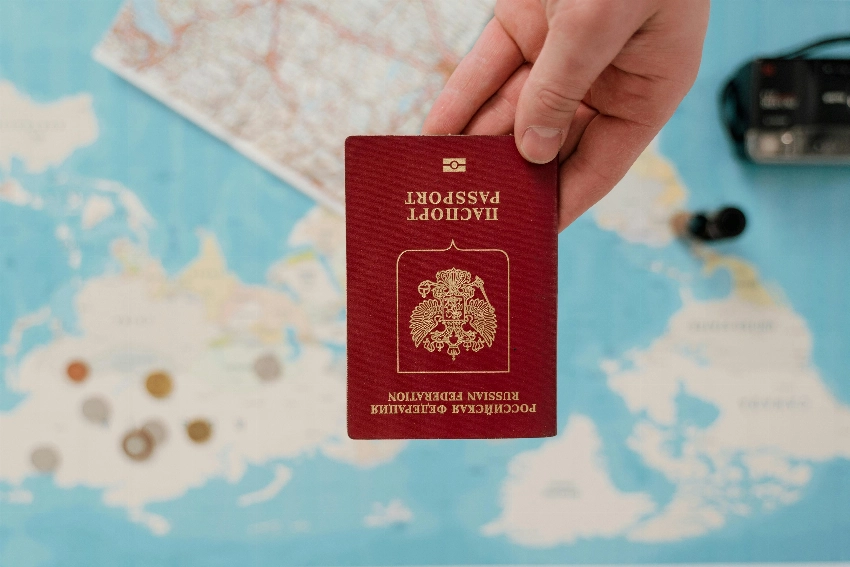
What is the difference between a visa and a passport? A visa and a passport have a difference between identity and permission. A passport proves who you are.
A visa is the document that helps prove that you are permitted to come to a country.
Below is a clear comparison.
|
Aspect |
Passport |
Visa |
|
Definition |
Government-issued travel document proving identity and citizenship |
Permission issued by a foreign country allowing entry |
|
Issued by |
Government of India (Ministry of External Affairs) |
Destination country’s embassy or immigration authority |
|
Purpose |
Enables international travel |
Allows legal entry for a specific purpose |
|
Validity |
10 years (adults), 5 years (minors) |
Days to years, depending on visa type |
|
Mandatory |
Yes, for all international travel |
Only for countries requiring visas |
|
Cost |
INR 1,500- 5,000 |
INR 2,000- 20,000+ |
|
Format |
Physical booklet |
Stamp, sticker, or electronic record |
|
Travel Without It |
Impossible |
Possible for visa- free countries |
What Is a Passport and Why Do You Need One in 2026?
What is the difference between a visa and a passport? Your major international identity document is your passport. The Government of India, through the Ministry of External Affairs (MEA), issues it. You cannot legally move in and out of India or an overseas country without it.
A passport represents the assurance of identity. It also substantiates your nationality.
What the Indian Passport Contains
Personal information is contained in a passport.
-
Full name
-
Date of birth
-
Place of birth
-
Passport number
-
Photograph and signature
-
Issue date and expiry date
-
Biometric information (passports that are chip-based)
These facts are confirmed all over the world.
Why a Passport Is Mandatory
To get to the destination, you need a passport due to:
-
It proves your citizenship
-
It allows exit from India.
-
It facilitates access to overseas nations.
-
It ensures a re-entry into India.
Also Read: Passport Types in India: Expert's Latest Guide
What Are the Latest Different Types of Passports Available in India?
What is the difference between a visa and a passport? There are three major passports issued in India. They both have a different purpose.
Types of Indian Passports
The common Passport (Blue Cover)
-
Issued to general citizens
-
Tourism, study, and work.
-
Held by over 95% of Indians
Official Passport (White Cover)
-
Published among the officials in the government.
-
Official assignments overseas.
Diplomatic Passport (Maroon Cover)
-
Published to ambassadors and high officials.
-
It is accompanied by diplomatic immunity.
Validity Options
-
Adults: 10 years
-
Minors: 5 years
-
Page Options: 36 pages or 60 pages
What Is a Visa and When Do You Need It in 2026?
What is the difference between a visa and a passport? A visa is not a document of identity. It is a notification given by a foreign nation.
A visa permits you to enter, live, or pass through a foreign nation with a certain purpose or at a certain time.
Key Features of a Visa
A visa:
-
Is published bya foreign government.
-
Is linked to your passport
-
Is goal-oriented (tourism, work, study)
-
Has limited validity
Visas are not necessary in all countries. Certain nations permit visa-free access, e-visas, or a visa on arrival for Indians.
What Are the Current Main Types of Visas Indian Travelers Should Know?
What is the difference between a visa and a passport? There exist numerous visa types. The majority of the travellers, however, fall under these six.
Common Visa Types
Tourist Visa
-
Tourism and recreational activities.
-
Validity is 30 days to 10 years
Student Visa
-
Education and educational programs.
-
Valid for the course duration
Work Visa
-
Employment abroad
-
Examples are H-1B, Skilled Worker visas.
Business Visa
-
Meetings and conferences
-
No employment allowed
Transit Visa
-
Airport layovers
-
Usually 24–72 hours
Dependent Visa
-
For family members
What Are the Latest Key Differences Between a Visa and a Passport?
What is the difference between a visa and a passport? To comprehend perfectly what the distinction between a visa and a passport is, pay attention to these points.
The passport is issued once and is valid for years.
-
A visa is renewed each time for a destination.
-
A passport is a demonstration of nationality.
-
A visa controls entry rules.
-
A passport is universal.
-
A visa is country-specific.
Comparison Table Structure:
|
Aspect |
Passport |
Visa |
|
Definition |
Government-issued travel document proving citizenship and identity |
Authorisation from a foreign country permitting entry for a specific purpose |
|
Issued By |
Your home country (Ministry of External Affairs for Indians) |
Destination country's embassy, consulate, or immigration authority |
|
Primary Purpose |
Enables international travel and proves nationality |
Grants legal entry and stay permission in a foreign country |
|
Validity Period |
10 years for adults, 5 years for minors |
Varies: days to years, depending on visa type and country |
|
Required For |
All international travel outside India |
Only for countries without visa-free agreements with India |
|
Cost |
₹1,500-5,000 (one-time fee + renewal) |
₹2,000-20,000+ (varies by country and visa type) |
|
Application Process |
Passport Seva Portal, PSK/POPSK appointment |
Country-specific embassy/consulate application |
|
Appearance |
Booklet with 36 or 60 pages |
Stamp, sticker, or electronic record in passport |
|
Global Recognition |
Universally recognised travel document |
Country-specific, not transferable |
|
Can Travel Without It? |
No international travel is possible without a passport |
Yes, to 62+ visa-free countries for Indian passport holders |
Also Read: Visa Fees for All Countries from India: Latest Guide
How Do Current Passport and Visa Application Processes Differ?
What is the difference between a visa and a passport? The passport and visa application system differs strongly in terms of structure, schedule, and authority.
Application of Passport in India
There is a standardised process of obtaining a passport in India that is common throughout the country.
Steps involved:
-
Using the Passport Seva Portal.
-
Reserve a place in a Passport Seva Kendra (PSK).
-
Send documents and biometrics information.
-
Full verification of police (pre- or post-issuance)
-
Issue a passport with the approval.
Timeline:
-
Normal: 30–45 days
-
Tatkal: 3-7 days (in case of emergencies while travelling)
Visa Application Process
Applications to visa are country-specific and based on the motive of the journey.
They may include:
-
Online application forms
-
The appointments of the embassies or consulates.
-
Biometric data collection
-
Personal/Virtual interviews (in case of some visas).
Timeline:
-
E-Visas: 3–7 days
-
Work Visas: 8-12 weeks or more, based on approvals and background checks.
The time of processing is subject to a wide variance depending on the destination country, season, and profile of the applicant.
What Documents Do You Need to Apply for a Passport in India in 2026?
What is the difference between a visa and a passport? You should be very attentive before submitting your papers so as not to be delayed or rejected.
Checklist Passport Documents
The following standard documents will be required:
-
Document of Address: Aadhaar card, utility bill, or bank statement.
-
Document of Date of Birth: Birth certificate, PAN card,d or school certificate.
-
Proof of Identity: Aadhar, PAN card, or voter card.
-
Passport-Size Photographs: New and to specification.
For Special Cases
Other documents can be demanded:
-
Children Under Eighteen Years: Passports and a consent form from parents.
-
Name Change: Gazette notification or certificate of marriage.
What Latest Documents Are Required for Visa Applications?
What is the difference between a visa and a passport? Visa documents are based on purpose.
However, some are universal.
Common Visa Requirements
-
Valid passport (6+ months validity)
-
Visa application form
-
Recent photographs
-
Financial proof
-
Travel itinerary
Such purpose-specific documents could consist of:
-
Admission letter
-
Job offer
-
Invitation letter
Can You Travel With Just a Passport or Just a Visa?
What is the difference between a visa and a passport? The confusion of this makes many a traveller, and the first-time international traveller, confused.
-
Passport Alone: Permissible when one is travelling to visa-free destinations or to destinations where there is a visa on arrival or e-visa facility extended to Indians. Your passport will have to be of minimum validity, even then (usually 6 months).
-
Visa Only: Never allowed. A visa is not atravelg document. Only an entry permission is accompanied by a valid passport.
Without a passport, there is no such thing as a visa, and your airline will not permit you to board their plane unless you bring your passport, which has become invalid or does not exist at all.
Which Countries Can Indians Visit Without a Visa in 2026?
What is the difference between a visa and a passport? Indian passport holders have the benefit of travelling to 62+ international destinations without undergoing a long visa procedure.
Visa-Free Countries
These countries allow Indians to travel without a pre-visit visa to tour the country:
-
Nepal
-
Bhutan
-
Maldives
-
Mauritius
-
Serbia
Visa on Arrival
The visas are issued at the airport of destination, provided one is eligible:
-
Thailand
-
Indonesia
-
Cambodia
-
Seychelles
E-Visa Available
Indians can make online applications before travelling and do it faster:
-
Sri Lanka
-
Turkey
Even in the case of visa-free travel, the same entry conditions, including passport validity, return tickets, and funds evidence, are still required.
Also Read: What is 36 Pages Passport Cost in India? New Fee Guide
What Are the Current Common Misconceptions About Passports and Visas?
What is the difference between a visa and a passport? Numerous problems in travelling occur because of myths and misunderstandings.
They think they may result in denied boarding, fines, and even deportation.
Popular Myths
-
A passport is a guarantee of entry to all.
-
A passport is sufficient to establish nationality and identity. This requires entry based on visa regulations and immigration permits.
Work permitted visa-free
-
The visa-free or visa-on-arrival access is normally restricted to tourism or brief visits. Unauthorised working is against the law.
Travelling expiry is permissible
-
A majority of the countries require at least 6months's validity of your passport after the travel dates.
How Do Passport Validity Requirements Affect Your Travel Plans in 2026?
What is the difference between a visa and a passport? The regulations of validity are stern and are under close supervision by the airline companies as well as the immigration departments.
-
The minimum required passport validity for your date of travel is 6 months in most countries, even when you are on a short stay.
-
Schengen countries insist that your passport must be no less than 3 months before your intended time of leaving the Schengen region.
These are rules that airlines are by no means lenient with, and they can refuse to board you at the airport once your passport fails to meet the requirements of validity,y despite the visa approval.
What Happens If Your Latest Passport or Visa Expires While Traveling?
What is the difference between a visa and a passport? This is serious.
Expired Passport
-
Contact the Indian Embassy
-
Emergency Certificate Application.
Expired Visa
-
Fines
-
Deportation
-
Entry bans
How Do Current E-Visas and Visa on Arrival Differ From Traditional Visas?
What is the difference between a visa and a passport? The contemporary visa systems are quicker and friendlier to the traveller than the traditional processes; however, they operate differently.
Comparison
-
E- Visa: This one is filled out online and granted before travelling. It is more convenient, quicker, and is normally issued within a few days, but has purpura ose and stay restrictions.
-
Visa on Arrival: It is issued at the landing airport. It involves the fulfilment of eligibility provisions and the possession of supporting documents, and this is all up to the discretion of the immigration officers.
-
Traditional Visa: This is applied for at an embassy or a consulate. It is accompanied by extensive paperwork, extended processing time, and often it is necessary to work, study, or stay for a long period of time.
Real-World Travel Scenarios: When You Need a Passport, Visa, or Both in 2026?
The definition of what is the difference between a visa and a passport is easier to understand with examples.
-
Delhi to Mumbai: No visa, no passport.
-
India → Nepal: Passport only
-
India → Maldives: Passport + VOA
-
India → USA: Passport + visa
What Are the Latest Costs Involved in Obtaining Passports and Visas?
What is the difference between a visa and a passport? A passport and visa can be cheap or expensive depending on the speed of processing, the type of visa, and the destination country. These costs should be planned so that they are not incurred at the eleventh hour.
Passport Fees
-
INR 1,500 -Normal: Normal processing is average processing time, and it is appropriate when travel is not urgent.
-
INR 3,500 - Tatkal: When you need to travel urgently, get the processing faster, and have the appointment and issue processes.
Visa Fees
-
Tourist Visa: INR 2, 000-12,000, based on the country, the duration, and an e- visa or a visa issued by the embassy.
-
Work Visa: 10,000-50 000+, depending on the destination, stay period, whether sponsored by an employer, and other legal and service fees.
Also Read: What is File Number in Passport & How to Find in Guide
How Can TerraTern Help With Your Passport and Visa Needs?
What is the difference between a visa and a passport? The process of immigration is complicated.
TerraTern has got end to end support.
-
Visa selection guidance
-
Document preparation
-
Application assistance
-
Interview coaching
Conclusion
What is the difference between a visa and a passport? A passport is used to identify who you are and what your nationality is, and a visa is used as permission to visit a foreign countryto dog a particular thing at a certain time. Differences between a visa and a passport will help you evade rejections, fines, and travel inconveniences. By 2026, global mobility and the changing digital visas make it more important than ever to be informed.
Contact TerraTern for more information on what is the difference between a visa and a passport.


 AI Summary