

Key Highlights
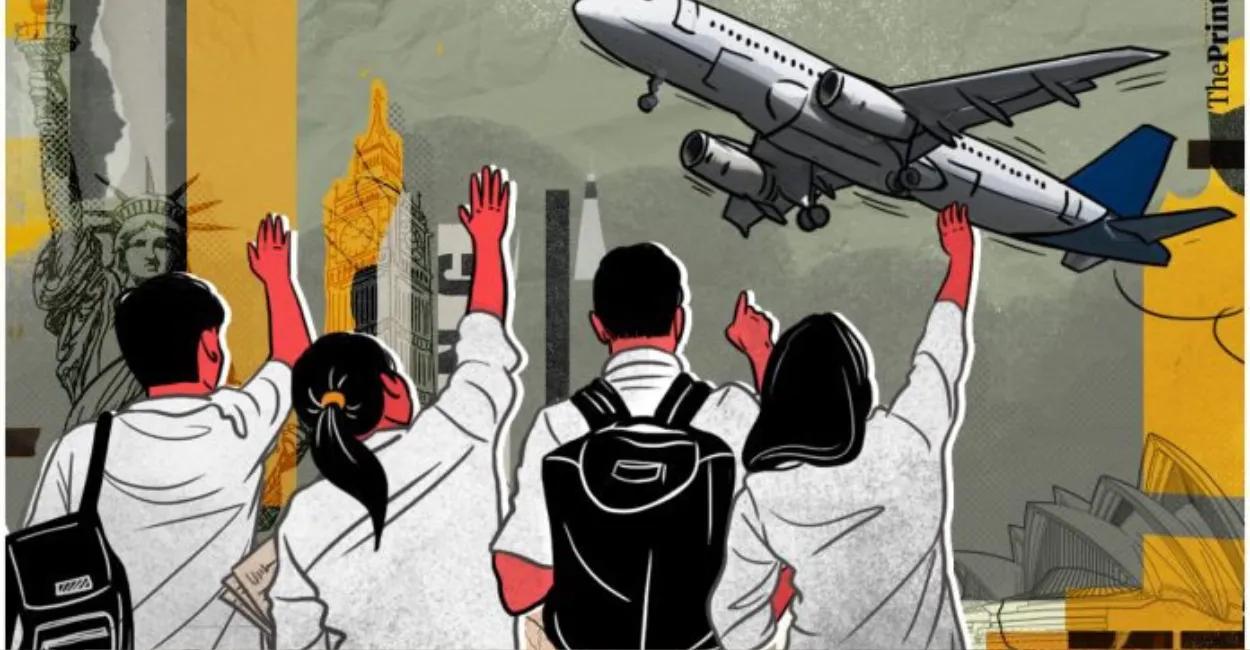
Historic goodwill between India and Russia that has been revitalised by the recent trip of Russian President Vladimir Putin to New Delhi on December 45, 2025, is poised to transform the educational dreams of thousands of Indian youths. Upon the new levels of diplomatic activity, simplified visa regulations and increased opportunities in the form of scholarships and increasing confidence on the part of parents and students, an increasing number of Indians will be tempted to turn eastward toward Russian universities. The reorientation is an indication of a new influx of Indian students seeking medical, engineering and other career-related studies in Russia.
Why Russia Is Back on Indian Students’ Radar?
Why are Indian students leaning on Russia?
1. Diplomacy Meets Education
The visit of President Putin has not only strengthened bilateral relations but also created a new impulse in terms of cooperation both in the educational sphere and in the sphere of education between the two countries. Observers indicate that a better relationship will facilitate the visa processing procedures, increase the scholarship programs and provide the parents with more assurance to send children to foreign countries.
To add to this, the opening up of a branch of the Russian Education Agency in New Delhi will only make the process of admitting and attending to Indian applicants easier. The agency is also supposed to guide the students in course selection, filling out forms, visa and settlement arrangements, and reducing the hurdles and dependency on travel agents.
2. Cost-Effective Education with Global Recognition
Russia is also a good option for many Indian students due to relatively cheaper tuition fees than in the private universities in India, particularly in the field of medical education, where the number of applicants is way beyond the availability of the seats.
In addition, most of the Russian universities also have courses taught in English, and therefore, the Indian students, who might not be conversant in Russian, can also access them.
3. Diversification: From Medicine to Engineering and Beyond
Historically, the medical courses have been popular among Indian students in Russia. At present, more than 30,000 Indian students in Russian institutions are pursuing studies, most of them in medical courses.
The trend is, however, changing. Some of the study-abroad consultants project a 20-30 per cent increase in enrollments this year, not only in medicine but also in engineering, both aeronautical and aviation and nuclear engineering.
Of special interest is that the Russian government has begun to grant longer visas, of up to six months, after graduation of engineering graduates, in which they can remain behind to seek employment. This has gone a long way in making engineering aspirants more attractive.
4. Appeal Beyond Major Metros: Tier-2 and Tier-3 Interest Rising
Another interesting development: increased interest is now being generated not only by students in large metro-centres, but also to a large degree by tier-2 and tier-3 towns throughout India. This broadening foundation is a sign of the increased ambitions and accessibility to information, which is facilitated by the activity of the Russian universities, as well as the Russian Education Agency.
Also Read: Russia e Visa for Indian Citizens: Cost, Eligibility & More
What This Means for Indian Students
What does this mean for Indian students?
-
Faster Admission, Fewer Headaches: The opening of the Russian Education Agency branch in Delhi means that students will get better service (including assistance with paperwork and visa applications) and, perhaps, lessen their reliance on intermediaries.
-
More Choices, Less Financing: MBBS to high-tech courses such as aeronautical or nuclear engineering - students are experiencing increased course rates at relatively reduced costs.
-
Prospects After the Study: It is a good incentive as the extension of the job-search visa to six months is particularly powerful among the engineering students who would desire to have international exposure or Russian work experience.
-
Increased Acceptance: The increased awareness of the Russian education credentials, as well as the increased confidence by parents and movement out of the as-you-know-it study-abroad destinations such as China, contribute to the attraction.
Challenges and Considerations
Although the trend is encouraging, potential students must be well-informed and careful.
-
Language Barrier: A good number of engineering courses, particularly technical or specialised courses, are taught in Russian. It is possible that students will have to study Russian, which is not an easy task.
-
Return Realities to the Medical Graduates: Medical courses are very popular, but the reports have indicated that, after completion of the studies, most of the Indian students are reported to be going back to India, citing the lack of appealing prospects in Russian health-care, with other factors such as free treatment in their native country and lack of incentives in the foreign country.
-
Cultural and Climate Adjustment: The climate and cultural setting in Russia can be very shocking to newcomers, as the winters can be severe, and a student from a warmer country may not welcome the changes easily. (Past student-shared experiences point out problems in the area of climate, food, and language.)
-
Regulatory Recognition: Although there is a hope that additional Russian universities can receive regulatory acknowledgement from a greater number of Indian regulatory bodies (such as the National Medical Commission, NMC), this cannot be entirely assured everywhere. The potential students have to verify their recognition before admission.
Also Read: Russian Work Visa for Indians: Costs, Types, Diff & More
The Bigger Picture: India–Russia Educational Diplomacy
The new outburst of Indian students coming to Russia is not a one-time event, and it represents a larger trend of enhancing bilateral relations between the two countries. The educational outreach - involving the role of the Russian Education Agency, fairs, scholarships and visa facilitation - is an indication of a strategic move to enhance people-to-people relationships.
It is also in line with the global realignments: as Western destinations are becoming less convenient due to visa obstacles and diplomatic strains, students are becoming more willing to consider the alternative. The blend in Russia of affordability, mixed language options, and rising prospects of employability has a competitive advantage. Furthermore, the extra post-study visa relaxation to students who graduated in engineering adds value to the proposal.
At this point, it is yet to be determined how many of them will go back to India, how many of them will assimilate into the Russian society, or will they choose opportunities elsewhere in the world. But at least, the doors, which were once again trampled, seem open to a new generation that will be receiving higher education in Russia.
Also Read: Russian Tourist Visa for Indians Fees: Latest Prices
Conclusion
The re-emerging warmth in the Indo-Russian relations, being highlighted by the visit of President Putin to India and real institutional measures such as the establishment of the New Delhi office of the Russian Education Agency, is signalling a huge change in the study-abroad preferences of young Indians. Russia, with its lower prices, increased flexibility of its courses, increasing post-study prospects and an increasing recognition of Russian education qualifications, is becoming a viable option to the Indian student, particularly in such areas as medicine and engineering.
Nevertheless, as with any foreign education, studying in Russia also requires due diligence, be it in the preparation of language, the preparation of a degree, the adaptation to the new culture, or the preparation for a future career. To the adventurous, the changing India-Russia educational avenue can bring new vistas.
Contact TerraTern for more information.