

Key Highlights
- US Moves Immigration Filing Toward a Digital System
- Green Card Applications Could Move Online
- Citizenship Applications Also Part of the Transition
- Asylum Filings Could Also Be Affected
- 60-Day Notice Before Mandatory E-Filing
- What Happens If an Applicant Cannot File Online?
- Why Is the US Making Immigration Filing Online?
- What It Means for Indian Immigrants and Applicants?
- Online Filing Does Not Mean Faster Approval Automatically
- What Applicants Should Do Now?
- Key Takeaways for Green Card, Citizenship, and Asylum Applicants
- Conclusion
The United States is preparing for a comprehensive overhaul of the immigration filing process, with applications for green cards, citizenship, and asylum soon to be among those that will require online filing. Through a new interim final rule, effective Aug. 11, 2026, U.S. Citizenship and Immigration Services (USCIS) has the authority to require electronic filing of eligible immigration benefit requests. But the shift doesn't mean all immigration applications are now online-only. Rather, USCIS will be enacting mandatory electronic filing requirements for individual forms by publishing advance notices, allowing applicants to plan for the change.
US Moves Immigration Filing Toward a Digital System
The new rule is a significant change in the U.S. government's strategy to phase out its reliance on paper immigration paperwork. With the framework, USCIS is authorised to accept electronic filing of certain benefit requests when they are eligible under the conditions in the rule.
The policy is not for a specific visa or immigration category, but for a wide spectrum of immigration benefits. This would imply more applicants would be required to file their applications for permanent residence, naturalisation, asylum, and other immigration benefits through the USCIS online filing system.
The Federal Register rule provides a process for imposing mandatory e-filing requirements and a process for individuals who cannot e-file to request the filing of a paper copy.
Also Read: How Many Types of Visa in USA? New Full Expert Guide
Green Card Applications Could Move Online
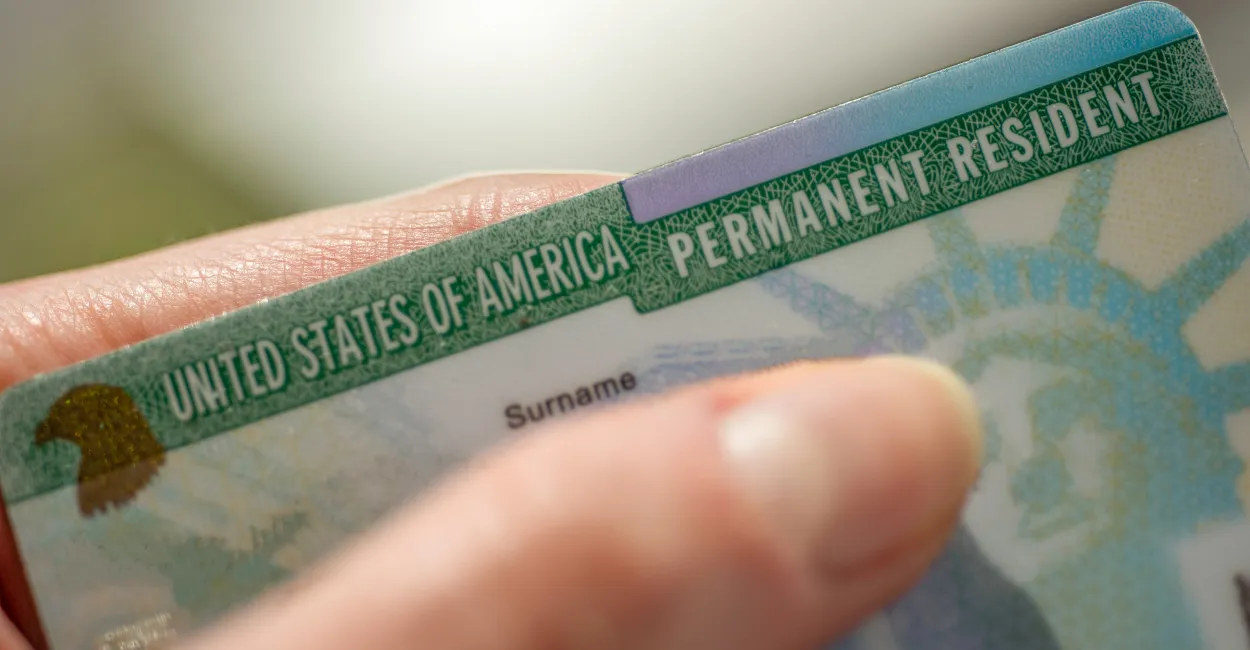
Perhaps one of the most important impacts of the policy would be on those seeking green cards. There are many family- and employment-based green card applications, such as adjustment-of-status applications filed by those who are already living in the United States.
Mandatory online filing would entail that applicants establish or have an online account with USCIS, fill out the applicable form online, upload documents to the account, and submit the application online.
The change is especially important to those who are awaiting employment-based immigration, such as Indian professionals who may already have to wait a long time for an employment-based green card. For a significant number of applicants, such as Indians, the backlog of employment-based immigration to the United States is a significant issue, so a change in how the application is processed matters.
USCIS already provides online filing for a number of forms. Unlike the new rule, which does not create a new system, the agency has a list of forms that are currently available for electronic submission.
Citizenship Applications Also Part of the Transition
The move could impact another large group: naturalisation applicants. In many cases, the Form N-400, Application for Naturalisation, is already available online for filing.
Currently, USCIS has stated that eligible applicants may file their Form N-400 online; however, there have been various filing requirements for some situations, such as some fee waiver and reduced fee requests.
The new system could eventually require all forms that are eligible for USCIS consideration to be filed electronically. This would further standardise the citizenship application process into the agency's system.
For applicants, the change may eliminate the need to print out long documents and packages of paperwork to be mailed. Meanwhile, the ability to access the internet and upload documents correctly, and to know how to use online USCIS accounts, will become more relevant.
Asylum Filings Could Also Be Affected
The electronic filing trend also extends to asylum applications. The asylum process is currently conducted through a Form I-589, Application for Asylum and for Withholding of Removal, and entails much information and supporting documentation.
Submission of eligible asylum-related documents in the future in electronic format may have practical consequences, as applicants might not have equal access to computers, stable internet connections, and digital support.
The new rule thus also provides a waiver for those who are unable to file electronically. This is especially true for those applicants who might have actual technological, accessibility, or other obstacles to filing online.
Not all asylum applications are automatically made online. USCIS must make more decisions before a specific eligible form is required to be filed electronically.
60-Day Notice Before Mandatory E-Filing
One major aspect of the new system is that applicants will not be forced to file online without prior notification.
USCIS will give at least 60 days' notice before a requirement to file electronically for a specific benefit request. This provides applicants, attorneys, accredited representatives, and others the time to become familiar with the new requirement and be ready for it.
The notice period is especially significant since immigration procedures typically involve a great deal of paperwork. Applicants might require time to establish an online account, scan documents, comprehend the new directions, and ensure forms are submitted through the proper electronic system.
Thus, those who are about to file should not presume that the filing of a paper filing has automatically been rendered invalid because of the new rule's effective date. When an online-only requirement is applicable, it will be announced in specific form instructions and USCIS announcements.
Also Read: Best State to Live in USA: Top Picks for Indians
What Happens If an Applicant Cannot File Online?
This rule acknowledges that not all applicants will be able to file immigration cases online.
USCIS has provided the procedure for those unable to file electronically to request a waiver of e-filing. The agency will be looking at any such requests in accordance with the procedures outlined in the new rule.
This is to provide an alternative for those with a disability who are unable to file electronically. But it is important to note that a paper application will not be accepted if the applicant is unable to submit it on the internet.
Rather, if a specific form is required to be filed electronically, the applicant who is not able to e-file it must complete the required USCIS procedures to obtain the appropriate waiver.
Why Is the US Making Immigration Filing Online?
The U.S. authorities have said that the action is part of a larger initiative to modernise immigration administration and enhance efficiency and lower costs.
USCIS receives millions of immigration benefit requests annually, which places a significant burden on USCIS when the applications are received in paper form. Transferring information to electronic filing systems can enable information to be captured electronically at the outset of the process rather than staff having to process, scan, and transfer paper information.
The agency has also correlated the digital transformation with better data access, security and fraud detection. Electronic records can be easily connected with government systems and shared to facilitate automated checks and other processes.
The change would thus save the government paper, postage, storage space and free up resources for adjudication and other immigration duties.
What It Means for Indian Immigrants and Applicants?
This policy may have implications for Indian nationals in the USA, as the country has a significant number of employment-based visa holders, green card applicants, and naturalisation candidates.
Indian workers, especially those who are waiting for employment-based green cards as a result of backlogs, may well have to deal with immigration cases through electronic USCIS systems more often. The new requirements may also apply to families seeking adjustment of status or other immigration benefits.
The transition may make the application process easier for those who are comfortable with online processes. Digital filing may potentially simplify confirmations of filing, tracking cases, and the maintenance of electronic records.
Applicants need to be more diligent, however, when filling out the correct documents, filling all required fields, and adhering to the most up-to-date form directions. Owing to mistakes in an electronic application, it is possible that immigration repercussions can still exist.
Online Filing Does Not Mean Faster Approval Automatically
An important difference is that filing electronically does not always mean that a case will be adjudicated sooner.
While electronic filing may facilitate USCIS in receiving and organising information more efficiently, processing times remain dependent upon the type of immigration benefit, the complexity of the case, workload, security checks and other factors.
While electronic filing may help increase operational efficiency and provide quicker access to information, USCIS has stated that the new policy should not be viewed as an assurance that each online application will be considered more rapidly.
The first change is not an automatic change of eligibility criteria or adjudication criteria but the way the submission is made.
What Applicants Should Do Now?
Immigration applicants should keep an eye on the USCIS announcements and instructions on how to file the form they are applying for.
Applicants should also ensure that they establish and maintain a USCIS online account, if applicable, and make sure that they have electronic copies of all the important immigration documents, which should be clear and complete.
People seeking advice from immigration attorneys or accredited representatives should verify whether the attorney or professional will file the application electronically and which documents need to be submitted electronically.
Most crucially, prospective candidates should verify the effective filing procedure just before submitting the application. The filing procedure may change from time to time as USCIS will implement mandatory e-filing requirements on a form-by-form basis.
This document is designed to help you review the key takeaways for your Green Card, Citizenship, and Asylum application.
Also Read: High-Demand Jobs in USA for Indians: Top Careers
Key Takeaways for Green Card, Citizenship, and Asylum Applicants
The new US policy can be distilled into a few key points:
-
The DHS rule will go into effect on August 11, 2026.
-
It authorises USCIS to mandate electronic filing of qualified requests for immigration benefits.
-
Some areas that may be impacted include green card, citizenship,p and asylum applications.
-
The rule does not automatically apply to all immigration forms to be completed online.
-
USCIS must give advance notice before it subjects a particular eligible form to mandatory e-filing.
-
If the applicant is unable to file electronically, he or she may request a waiver through the process established.
-
Candidates must keep in mind that the instructions for filing requirements may be different from one form to another.
-
The purpose of digital filing is to minimise paper filing and enhance administrative efficiency.
-
Faster approval of documents does not mean that documents will be submitted online.
Conclusion
This change in the way immigrants will engage with USCIS is a major shift for the U.S. immigration process. The August 11, 2026 rule does not automatically phase out paper filing for all immigration benefits, but provides a plan to progressively convert eligible applications to electronic filing. Therefore, green card, citizenship, and asylum applicants must be ready for a more digital immigration system and stay tuned to USCIS updates and instructions on specific forms. The change may impact a large number of employment-based, family-based, and naturalisation applications, especially for Indian applicants. As the US immigration system continues to become increasingly digital, applicants will have to be more vigilant in managing their online accounts, digital documents, filing guidelines, and deadlines, which may end up saving paperwork and improving administrative efficiency sometime down the road.
Contact TerraTern for more information.