

Key Highlights
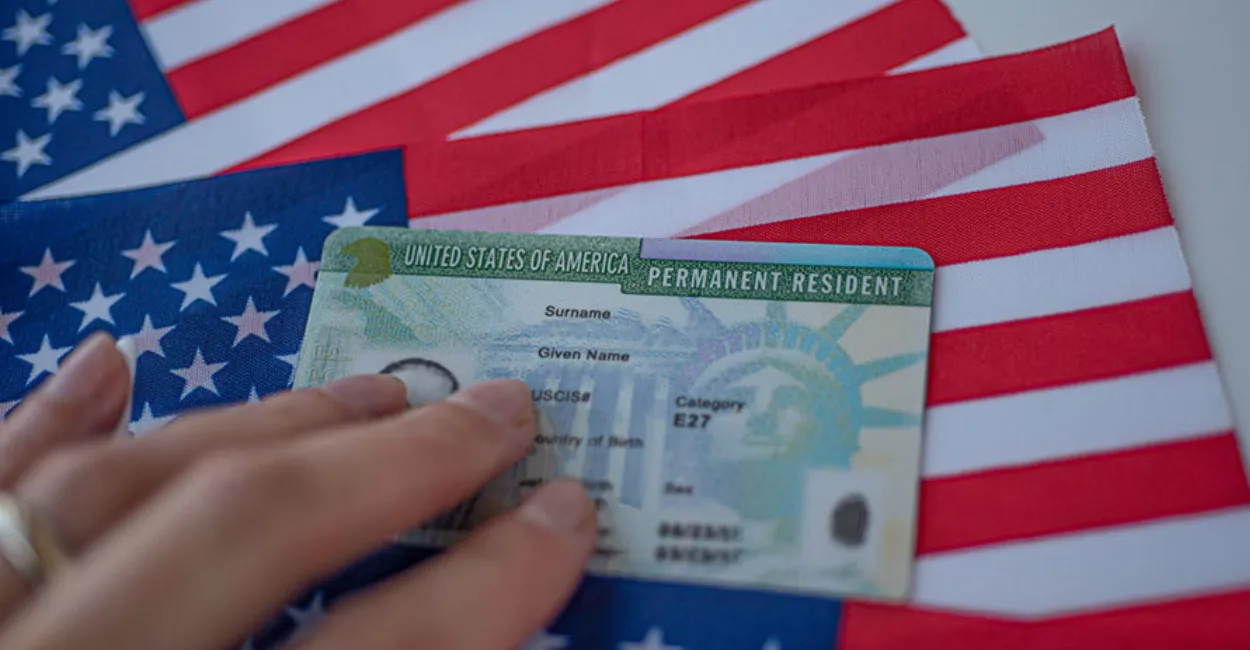
The United States has sent a clear message to green card hopefuls: most immigrants won't need to leave to get green cards, according to an official clarification from the Department of Homeland Security (DHS) released on Friday, May 29, 2026.
This announcement ends weeks of uncertainty that began when USCIS issued a confusing news release last week suggesting permanent residency applicants would need to return to their home countries and wait abroad for approval, except in "extraordinary" cases.
What Happened: The Timeline of Confusion
Understanding this policy reversal requires looking at the sequence of events that created widespread panic among immigrant communities:
|
Date |
Event |
Impact |
|
May 22, 2026 |
USCIS issues new policy guidance on Adjustment of Status (Form I-485) |
Suggests adjustment of status is "extraordinary relief"; consular processing is standard |
|
May 22-28, 2026 |
News spreads that immigrants must return home for green card processing |
Hundreds of thousands of applicants fear family separation |
|
May 29, 2026 |
DHS issues clarification statement |
Confirms most applicants can stay in US during processing |
|
May 30, 2026 |
Media reports confirm policy stability |
Relief for immigrant communities, employers, immigration lawyers |
Also Read: US Issues Over 1 Million Non-Immigrant Visas to Indians
The DHS Clarification: Key Facts
The Department of Homeland Security made several important points crystal clear in their Friday statement:
-
No Broad Policy Change Occurred: DHS explicitly stated there had been no sweeping change to green card rules
-
Existing Authority Remains: Immigration officers have long had discretion to decide case-by-case whether applicants should complete the process from outside the US
-
Most can Stay: The vast majority of immigrants seeking permanent residency will continue being allowed to remain in the country while cases are processed
-
This is Guidance, not New Rules: A DHS spokesperson called the latest guidance "simply a reminder of that existing authority"
Two Paths to Permanent Residency Explained
Understanding this policy requires knowing the two main ways someone can get a green card while in the United States:
1. Consular Processing (Standard Pathway)
-
Apply for an immigrant visa at a US embassy or consulate abroad
-
Enter the United States as a permanent resident after approval
-
Described by USCIS as the "standard pathway to permanent residence"
2. Adjustment of Status (AOS) Form I-485
-
Apply to USCIS for permanent residence while remaining in the United States
-
Allows applicants to stay in the US during the application process
-
In some cases, obtain employment and travel authorization while pending
-
Now described by USCIS as a "matter of discretion and administrative grace"
What Factors Might Influence Individual Cases?
While DHS confirmed most people can stay, certain factors could still influence whether someone needs to leave:
|
Factor |
Potential Impact |
|
Visa overstays |
May increase likelihood of being sent abroad for consular processing |
|
Immigration violations |
Could affect discretionary decision |
|
History of maintaining lawful status |
Positive factor for staying in US |
|
Conduct inconsistent with non-immigrant visa purpose |
Negative factor |
|
Intent to avoid consular processing |
Officers will consider this |
Impact on Indian Immigrants and NRI Community
This clarification is particularly significant for Indian immigrants, who face the longest green card backlogs in the world:
-
EB-2 India: 12+ years backlog as of February 2026; unavailable through September 30, 2026
-
EB-3 India: Same 12+ year backlog as EB-2
-
Average Waiting Time: Over 10 to 15 years due to per-country cap of 7%
-
No Forward Movement: Visa Bulletin February 2026 showed stagnant dates for India EB-1, EB-2, EB-3
Also Read: Trump's Re-election Signals Potential Overhaul of H-1B Visa Program
What Immigration Lawyers and Officials Are Saying?
The response from immigration professionals has been cautious but relieved:
-
Klasko Immigration Law Partners: "Section 245 of the Immigration and Nationality Act continues to authorize adjustment of status for eligible applicants physically present in the United States, and the underlying regulations governing eligibility remain in place"
-
White House Official: Described the move as "a routine administrative matter rather than a significant shift in immigration strategy"
-
Immigration Advocates: Warned the earlier announcement could separate families for months or longer
Conclusion
Most immigrants won't need to leave to get green cards, and the DHS clarification confirms this remains the standard practice for permanent residency applications in 2026. While USCIS has emphasized that adjustment of status is discretionary rather than automatic, the department has reassured immigrant communities that case-by-case discretion will continue without broad policy changes. For official updates on green card policies and Adjustment of Status, visit the USCIS website. To know more about US immigration, visit TerraTern now!