

Key Highlights
- From Snow to Screens: Bansko’s All-Season Strategy
- The Digital Nomad Appeal: Why Bansko?
- Co-Working Spaces and the Rise of Collaborative Culture
- Economic Shifts: Costs, Opportunities,s and Challenges
- Nomad Life Beyond Work
- Local Perspectives: What Residents Say
- Conclusion: A Model for Remote Work Destinations
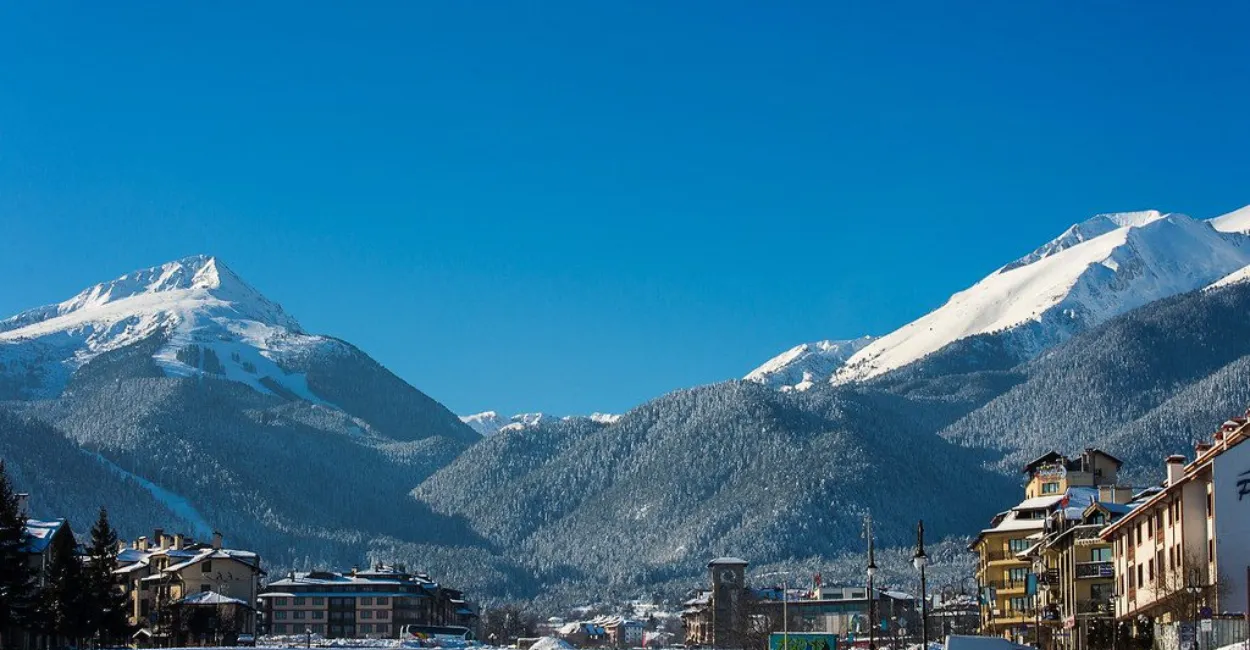
A scenic mountain resort in Bulgaria has been slowly redefining the remote work and travel experience in recent years. The destination that previously received the main reputation only because of its winter ski resorts, now attracts the attention of the whole world as a place where digital nomads can go with their work, where they are free and flexible, where they can find community and adventure even more. Bansko is located in the Pirin Mountains, which offer affordable, picturesque, enhanced infrastructure, and a cosmopolitan ambiance that is attracting an increasing number of visitors across borders. This change is indicative of wider patterns of remote working, community-based travel, and the changing nature of where and how people live and work, with dramatic consequences to the economy and culture of the town.
From Snow to Screens: Bansko’s All-Season Strategy
Conventionally, Bansko's economic activities were based on winter tourism. It's 75km of ski resorts and international grade slopes used to attract winter sports lovers from all over Europe to this small town with a population of about 10000 people. Nevertheless, global warming has led to the uncertainty of the consistency of the snow, and the reduced winters have questioned the sustainability of ski tourism.
Instead of being exposed to economic recessions, local leaders and entrepreneurs swiveled around. They have made the town attractive not only in winter sports, but they invested in attractions that lure remote employees throughout the year such as high-speed internet, co-working facilities, modern facilities, neighborhood activities and other lifestyle services. These changes have driven how Bansko has progressed to become a destination for digital nomads - a creative and economic model that continues to make the town lively despite the weather.
Also Read: Bulgaria Opens Long-Term Visa Applications for Indians
The Digital Nomad Appeal: Why Bansko?
The beauty of Bansko is its strange fusion of natural beauty, contemporary comfort, and affordability of living - things that many remote workers would find impossible to resist. Digital nomads are drawn by:
1. Stunning Natural Environment
The towering Pirin mountains encompass the town, with the highest rock being the Vihren at almost 3000 metres, and the view is breathtaking, which compensates for the breaks during the remote work and makes the work environment inspire the idea of a balanced life.
2. Improved Infrastructure and Connectivity
Remote work has become both feasible and sociable due to high internet speeds and an influx of co-working offices. Hundreds of desk spaces, networking, and communal events to promote productivity and collaboration are provided by three large co-working centres.
3. Lifestyle and Community Culture
Nomads are not only working, but they also live. There are activities such as the Nomad Fest, a week-long gathering in the town that aims at networking, exchange of cultures, and community building among remote-based professionals. During the summer, outdoor sports like mountain biking, hiking, and wellness retreats are also added to the lifestyle attraction.
4. Cost Advantages and Tax Benefits
Remote employees such as Dane Oscar Train, who is 25 years old, claim that the living costs and taxes paid in their home countries are quite high and expensive. Instead, he notes that total taxes could be approximately 15 percent in Bansko, which is significantly lower than in many Western European countries, and this increases the prospects of visiting the country on a long-term basis.
Co-Working Spaces and the Rise of Collaborative Culture
The core of the digital nomad ecosystem of Bansko is the co-working spaces that reshaped the business environment in the town. These spaces are cultural and social venues rather than mere shared offices where nomads of various backgrounds, industries, and skill sets meet.
These co-working centres form part of a larger trend in remote-friendly locations, but they are especially effective in a town thatwas previouslys entirely tourism-driven. They provide:
-
Professional and fast internet services and facilities.
-
Socialization and networking.
-
Social meetings and workshops.
-
An interface between the travellers and the locals.
The atmosphere has made numerous new faces feel at ease, thus creating an international society that is redefining the identity of Bansko.
Also Read: Unlocking New Frontiers: Bulgaria and Romania Join Schengen
Economic Shifts: Costs, Opportunities, and Challenges
The arrival of digital nomads has impacted the economy of Bansko in a variety of ways:
Boost to Local Businesses
Thereares high-end restaurants, cafes, as well as new service providers to serve the tourists and long-term residents. This influx has extended the local trade to wider areas outside the seasonal tourist cycles.
Real Estate and Cost of Living
Although the rapid change is enjoyed by many locals who like the liveliness and economic boost, the housing prices have risen due to the rapidity of the change. The rising rentals and property requirement mainly caused by the foreigners settling down, have raised concerns about how affordable the properties would be to the long-term residents.
Cultural Integration and Exchange
Not to mention its economic influence, the interplay of the locals and foreigners coming in has helped to add to the cultural dialogue. The residents comment that social horizons have been widened due to the exposure to varying perspectives, ideas, and lifestyles, which is not limited to the revenue figures.
Nomad Life Beyond Work
Being a digital nomad in Bansko is not just a replacement of office cubicles with co-working desks. It is a more widely-ranging way of life:
Outdoor Adventure
The remote worker will have the opportunity to ski in the winter, hike in the mountains during summer, visit the hot springs, and ride a bicycle, among others, without the need to separate work and leisure.
Cultural Events
Social bonding among people who may be passing by, at festivals, and at nomadic-oriented gatherings promotes community and creative exchange between the people.
Such a balanced living style, where work-life harmony is triggered by productivity, is an excellent attraction to remote workers who want to have a rewarding work-life balance.
Local Perspectives: What Residents Say
Though the transformation is in demand by many locals, there are two sides to the coin:
-
Some rejoice in the resurgence of the economy and lively global atmosphere created by digital nomads.
-
Next, some are worried about the rising cost of living and cultural changes brought about by gentrification.
-
Nevertheless, it is agreed that the development of the town is indicative of a larger movement in the world of changes in the way individuals view work and community in the digital era.
Also Read: How to Get Job in Europe from India? Pay, Visa & More
Conclusion: A Model for Remote Work Destinations
The case of Bansko turning into a digital nomad destination after having been a seasonal ski resort demonstrates how the idea of remote work economies can revive the old-fashioned tourism destinations. Improving infrastructure, development of the community, and flexibility have helped this small town in Bulgaria to establish a new identity that not only is productive but is also life-friendly. With remote working still defining the world and lifestyle, Bansko is a prime example of how destinations can be transformed, responsibly, and with a firm vision of the future.
Contact TerraTern for more information.